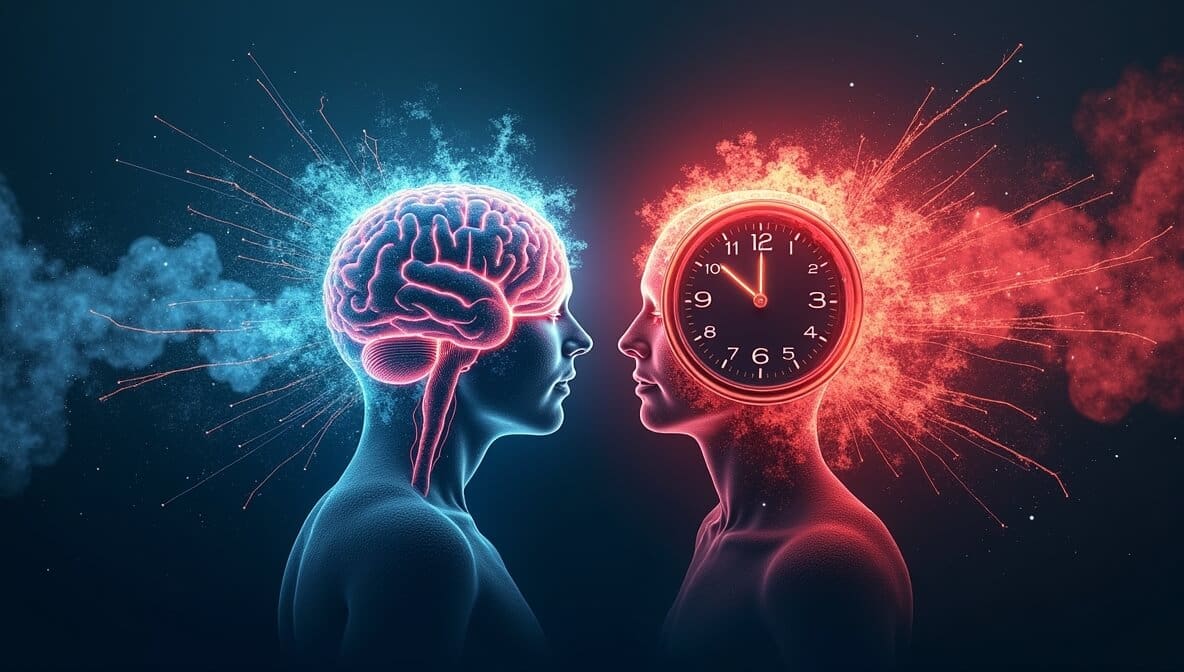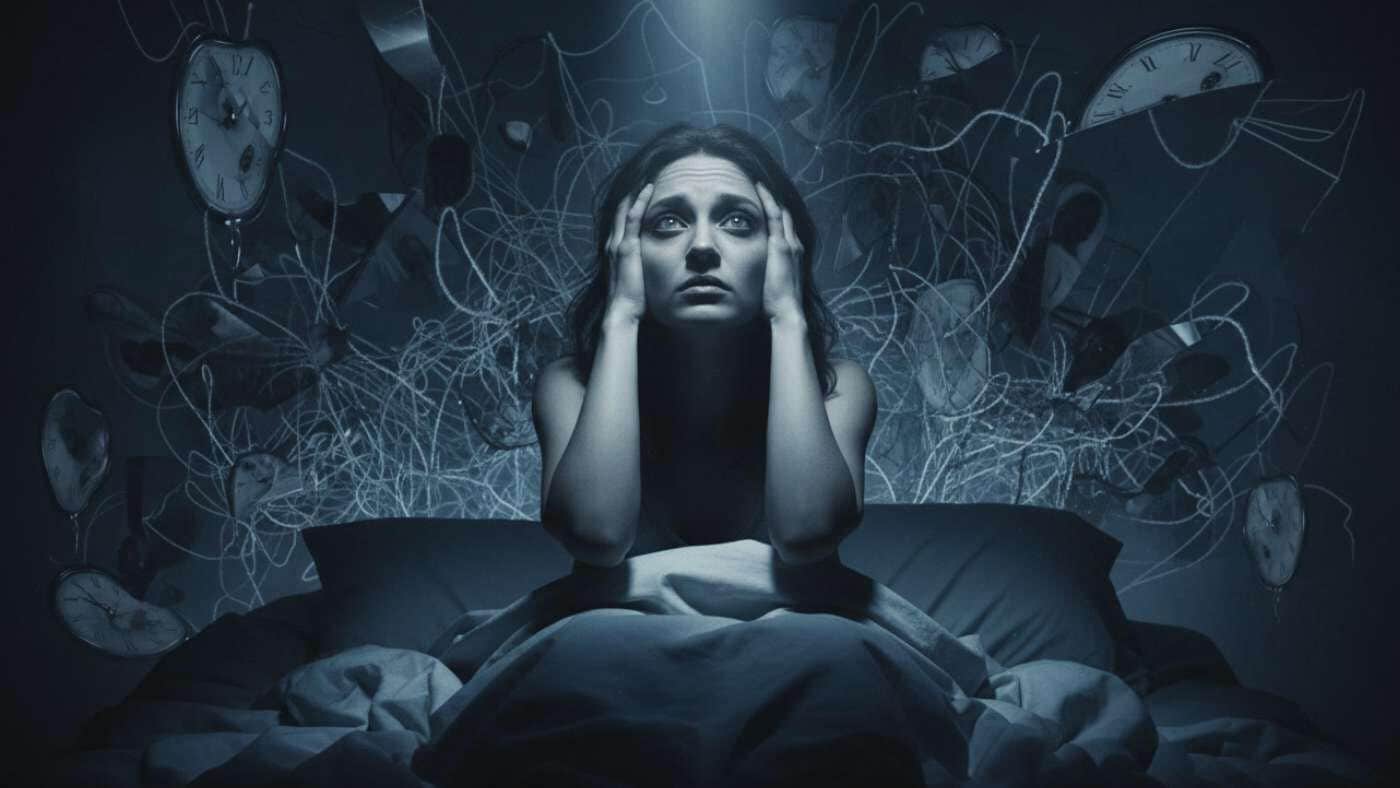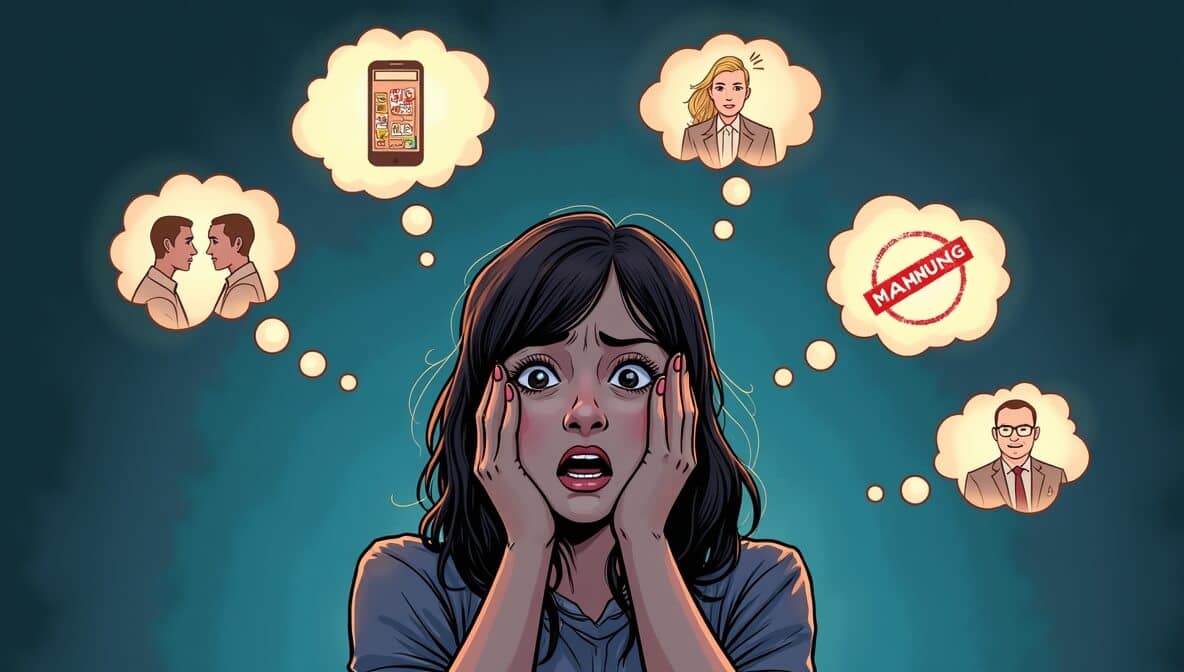

Emotional triggers are lurking everywhere. Sometimes all it takes is one sentence, one look, one message, and your nervous system explodes. Here are the 30+ most common situations that knock people emotionally off track, and how to bring yourself back in 10 minutes.
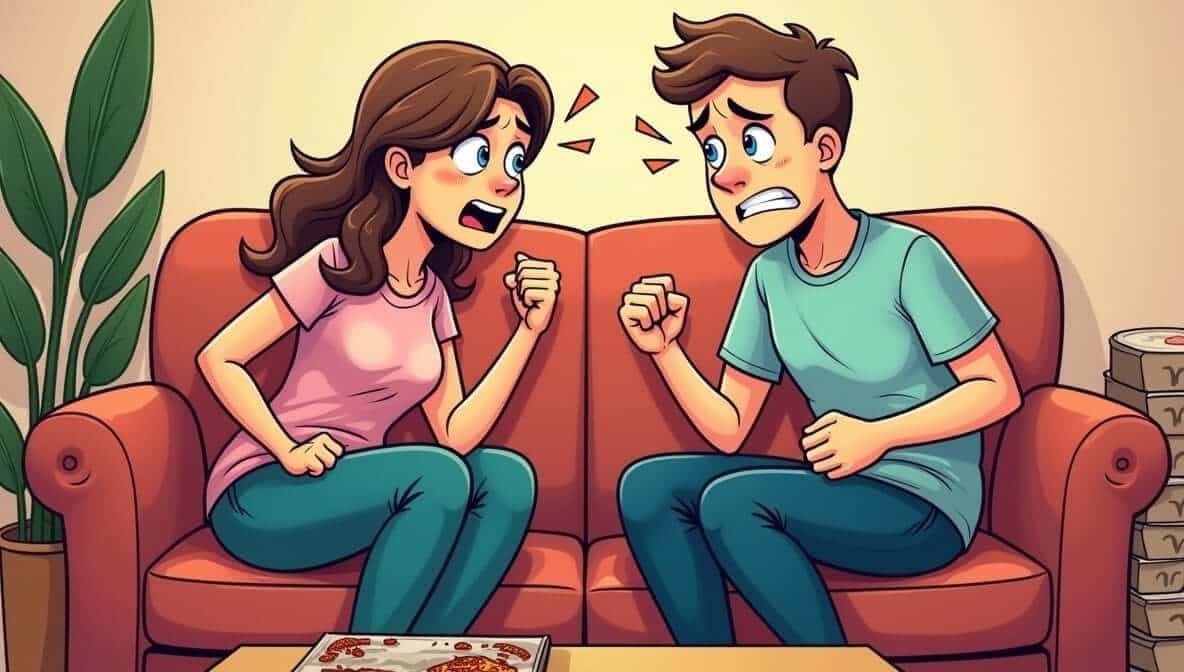
1. Fighting with your partner over little things
You're talking about something trivial: who takes out the trash, which movie to watch. Suddenly your partner says that one sentence, and something in you flips. Your pulse shoots up, your voice gets louder, and before you know it, you're yelling things that go way beyond what actually started it. Old wounds join in. Your partner yells back. The door slams. Minutes later you're sitting there alone, your heart still pounding, thinking: "Crap, not again." You know you overreacted. But the anger and the hurt are still there, burning in your chest. And even hours later, long after things have calmed down, you can't shake the feeling. It sticks to you like tar.
2. Criticism from your boss in front of colleagues
You're in a meeting, presenting your work, and suddenly your boss cuts you off. In front of everyone. His voice is sharp, his criticism crushing. Your colleagues stare awkwardly at their laptops. Nobody says a word. Heat rises into your face, and your heart is pounding so loudly you think everyone can hear it. You try to answer, but your voice shakes. For the rest of the day you're not really there. You stare at your screen, but your boss's words keep looping in your head. Over and over. Your fingers are typing, but you have no idea what you're actually writing. In the evening you drive home, and the shame is still sitting heavy on your chest. "Everyone saw it. Now everyone knows I failed."

3. Your child has a complete meltdown
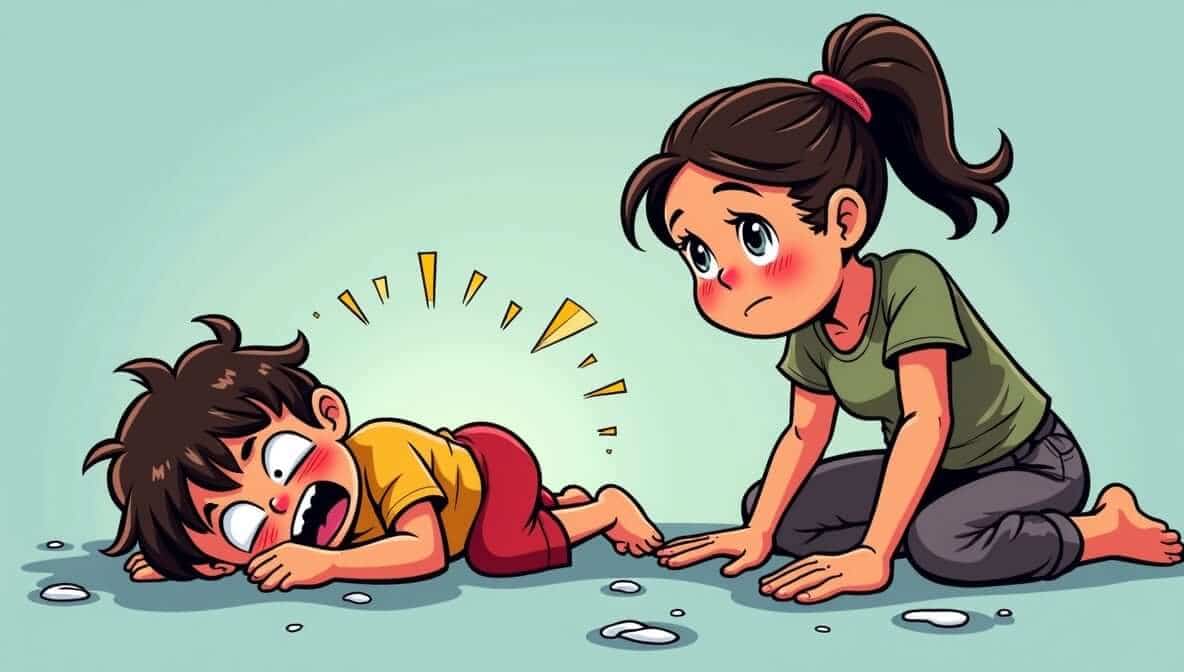
Your child is lying on the floor screaming. Just like that. Over something that seems completely unimportant to you. Toys go flying, feet are kicking, your kid is totally beside themselves. You try to stay calm, take a deep breath, tell yourself: "Stay calm, stay calm." But with every second you feel the tension building inside you. Your jaw is clenched, your hands are balling into fists. And then you yell back. Louder than you meant to. Harsher than you meant to. Your child flinches and cries even harder. Seconds later you're both sitting there, and the guilt is eating you alive. "I'm a bad mother. A bad father. Why can't I just stay calm?" You're exhausted, empty, and you hate yourself for it.
4. Sudden layoff or job loss
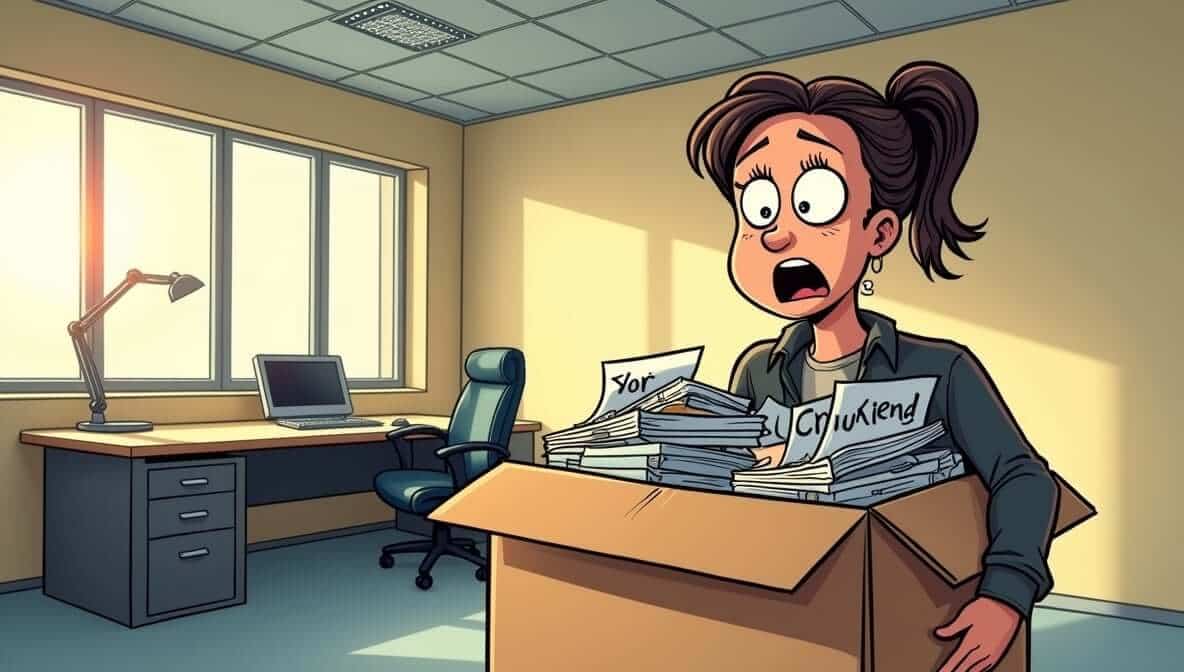
"We have to let you go." The words hang in the air. Your boss keeps talking (something about restructuring, budget, it's not about you), but all you hear is static. Your stomach knots up. How will you pay the rent? The car payments? What will you tell your family? You drive home on autopilot, your thoughts racing. Once you're home, you stare at the wall. Your body is numb, but your head is exploding with panic. At night you lie awake running numbers that don't add up. You feel worthless, like a failure. And the fear, that paralyzing, all-consuming fear, won't let go of you.
5. Rejection after an important job interview
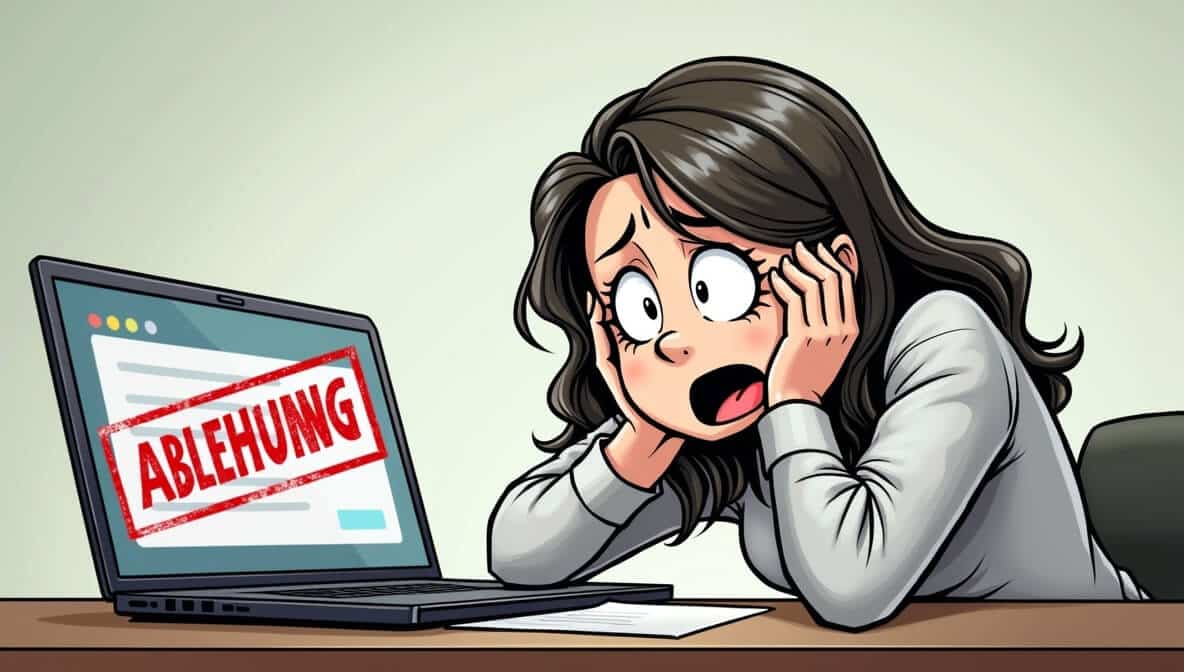
You open the email: "Unfortunately, we have decided not to move forward." Your heart sinks. The interview went well, didn't it? You were prepared, you did everything right. You were so sure this would be YOUR job. The disappointment sits heavy in your chest. The questions start: "What did I do wrong? Wasn't I convincing enough? Am I just not good enough?" Every new rejection confirms that inner voice. You send out more applications, but each time you believe in it a little less. Your motivation crumbles. For days you drag yourself through a gray fog of self-doubt and the feeling that you'll never make it.
6. Discovering your partner's cheating or betrayal
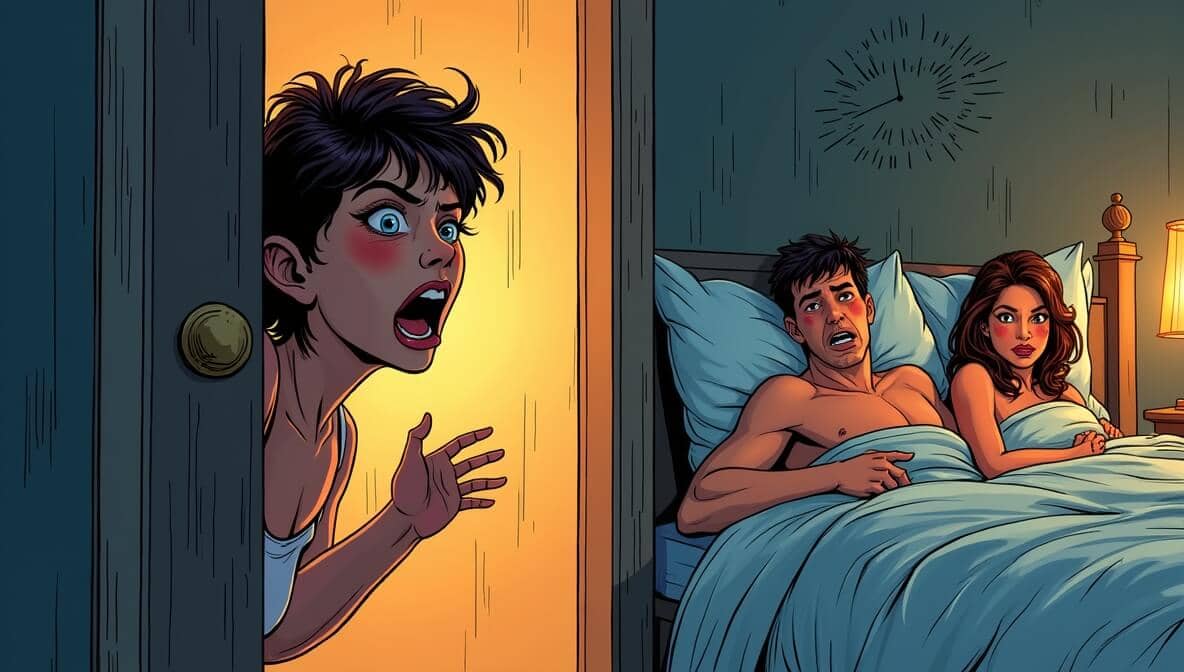
Their phone buzzes on the table. You see the name light up, and something inside you already knows. You pick up the phone, unlock it, scroll through the messages. And there it is. In black and white. The words, the emojis, the intimacy. Your partner with someone else. In that moment, your world shatters. Everything you believed in (the shared plans, the promises, the trust) was a lie. Your body reacts before your mind can process it: your heart races, your hands shake, you can't breathe. The pain is so physical you think your chest might burst open. Anger mixes with despair. You want to scream, cry, smash something, all at the same time. Hours pass, but time doesn't move. You're trapped in this one scene that keeps replaying. Every detail burns itself into your memory.
7. Fighting with parents or siblings
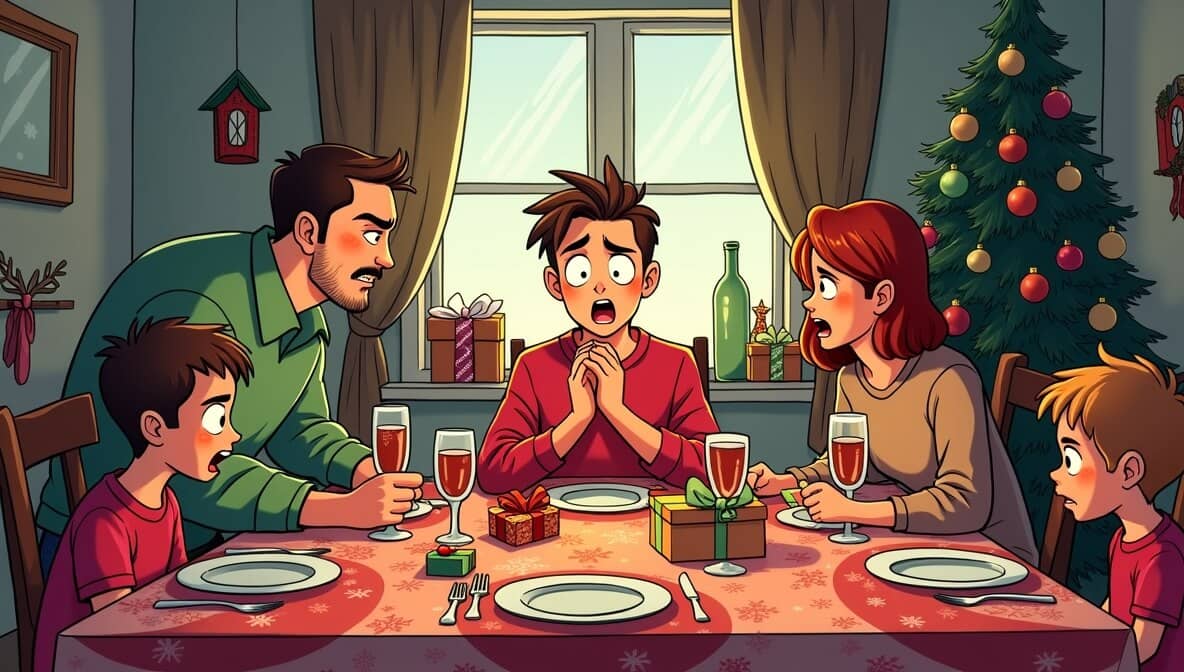
Christmas. The whole family is sitting around the table. You promised yourself this year would be different. Peaceful. Nice. Then your mother says that one sentence, about your job, your relationship, the way you live. And suddenly you're twelve years old again. The kid who was never good enough. Who never made the right choices. Anger rises in you and mixes with that deep, old hurt. You try to respond, to stay calm, but your voice shakes. Your brother shoots you a look, your father changes the subject. But the damage is done. You sit there a while longer, picking at your food, forcing a smile. Later, in the car on the way home, the tears come. And for days afterward you still feel that pain, that mix of anger, sadness and the desperate question: "Why can't she just see me for who I am?"
8. Bullying at work
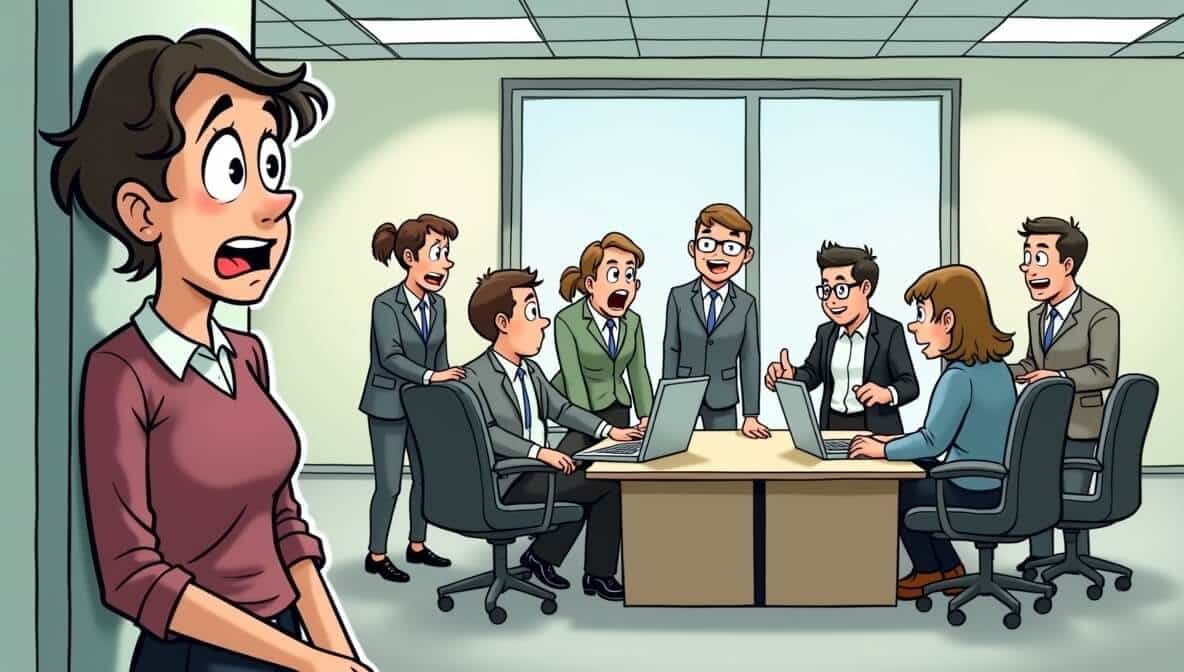
It starts small. A joke at your expense in the break room. Laughter. You smile along and pretend it's funny. But it doesn't stop. At the next meeting it happens again: a snide remark, eye-rolling, stifled giggles. You notice the whispering stops when you walk into the room. The glances people exchange. How you're slowly becoming invisible, or worse, a target. Every morning you wake up with a knot in your stomach. Your body doesn't want to go to work. Your hands shake when you open the office door. You try to make yourself small, not to stand out, and above all not to make any mistakes. In the evening you come home exhausted from pretending it doesn't get to you. Sometimes you just cry, out of anger, out of helplessness, out of sheer exhaustion. And the question that won't let you go: "What's wrong with me?"
9. Financial shock (overdue notice, bill, debt)
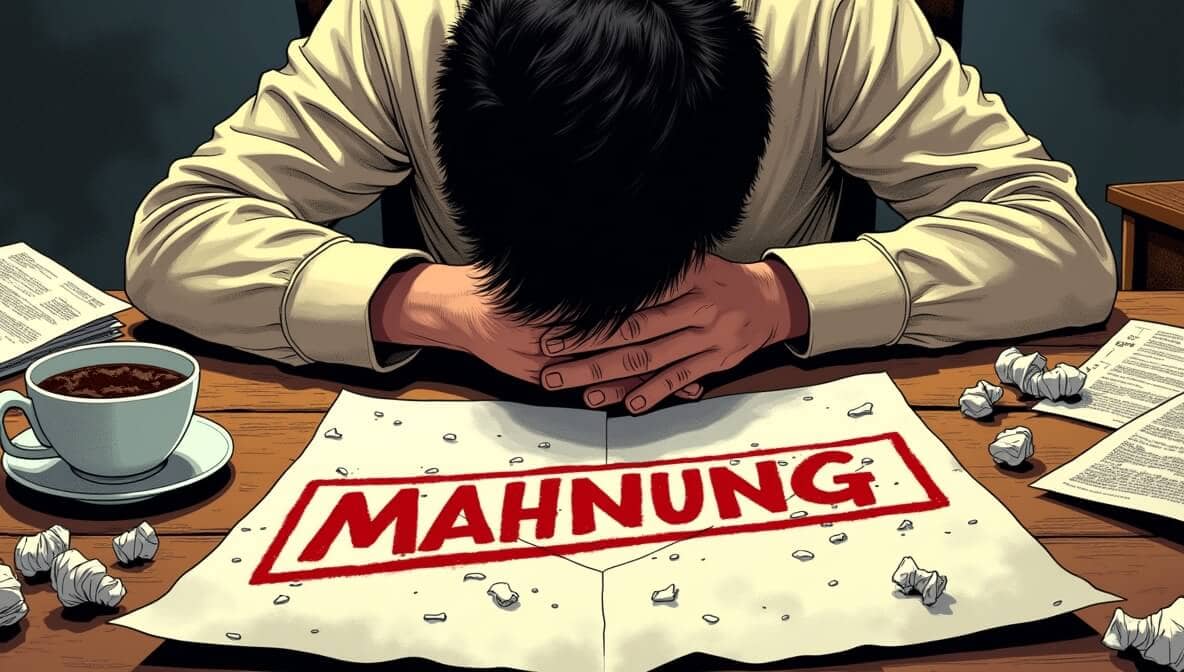
The red envelope in the mailbox. Your heart skips a beat before you've even opened it. You know that color. Overdue notice. Second notice. Or worse. Your hands shake as you pull out the letter. The amount. Impossible. How are you supposed to pay that? Your account is empty, and your next paycheck barely covers the rent. Panic creeps up your spine and your thoughts race: garnished wages, a ruined credit score, debt collectors, ending up on the street. You sit down and stare at the numbers, but your brain can't do math anymore. Everything blurs. You want to make a plan, find solutions, but the fear paralyzes you completely. Hours later you're still sitting in the same spot, the letter in your hand, caught in a spiral of panic and helplessness.
Emotional SOS-Reset
€24,95
Leave the trigger state in 10 minutes instead of suffering for hours Your partner says that one sentence — and suddenly everything explodes inside you. Your heart pounds, anger surges, words fly that you can’t take back. Minutes later you… Mehr erfahren

10. A diagnosis (for you or a loved one)
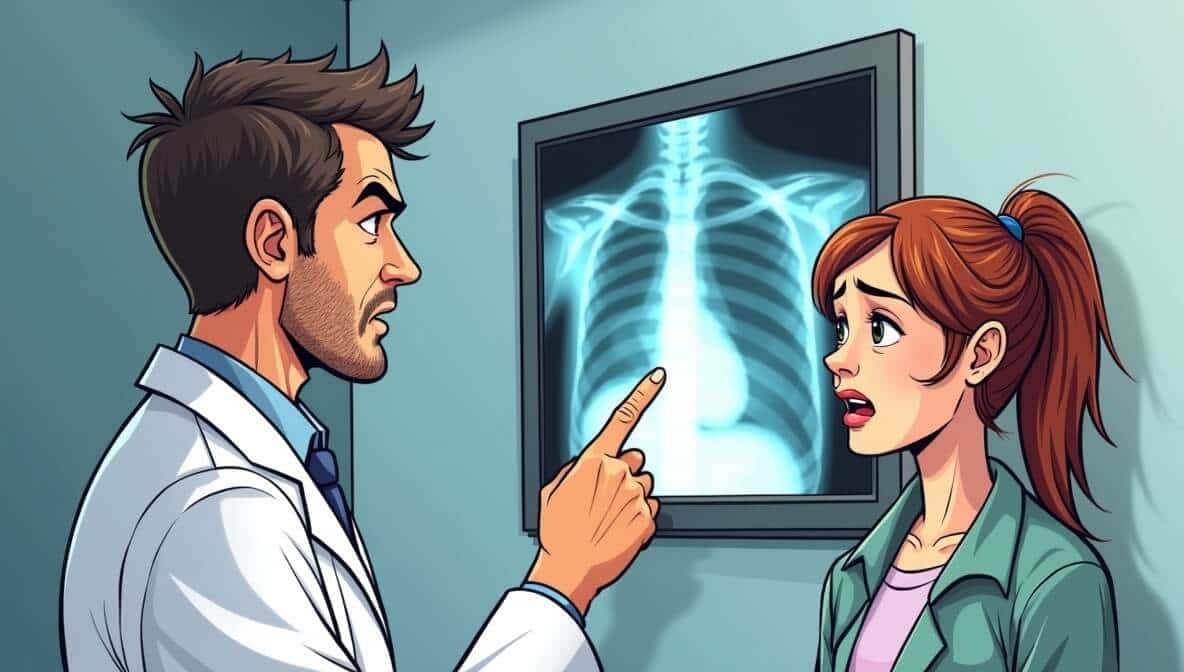
"We found something. We need to run more tests." The doctor keeps talking (technical terms, procedures, statistics), but all you hear is a dull roar. Your hands grip the armrest. Everything inside you is screaming. Later, alone in the car in the parking lot, the first breakdown comes. The tears, the fear, the raw panic. At home you google it, even though you know you shouldn't. Every page makes it worse. At night you lie awake staring at the ceiling, your heart racing. Your body is on constant alert, even when you try to function normally. You go to work, smile, nod, but inside you're numb with fear. The wait for the next results drags on endlessly. And that one question that won't let go of you, that lies next to you at night: "What if...?"
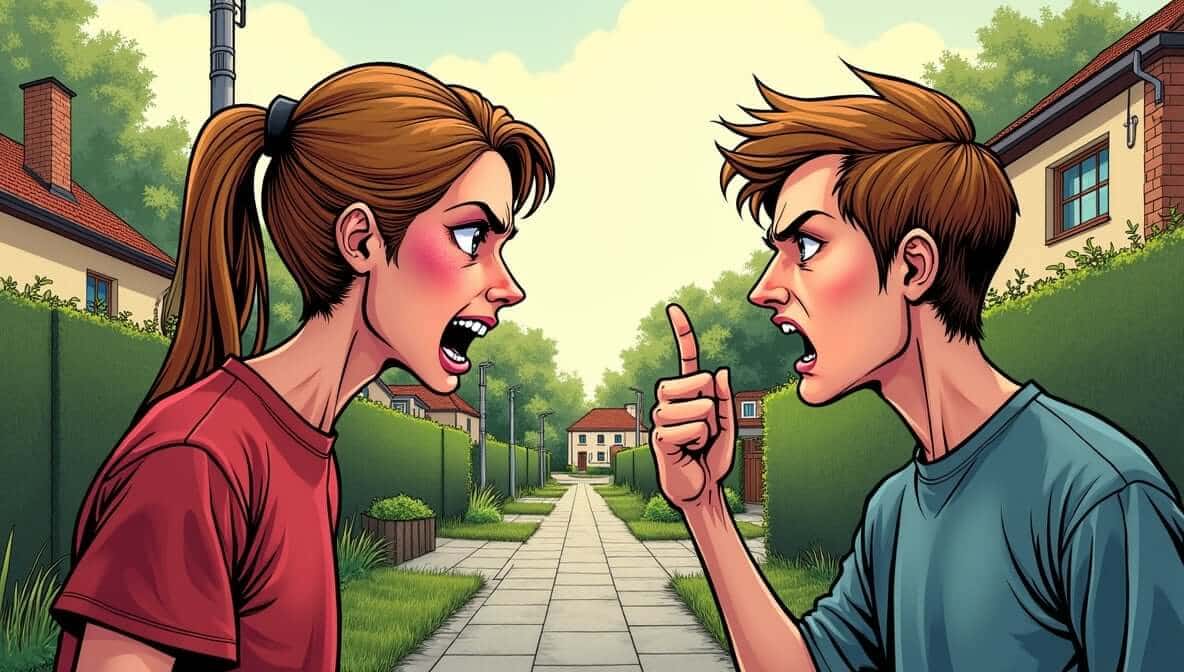
11. A conflict with the neighbors escalates
It starts with little things. The music is too loud. Again. You knock on the wall, nothing happens. You go over, ring the bell, ask politely. An irritated look, a curt "Yeah, yeah," and an hour later it's booming again. Then the trash in front of your door. Then his car in your parking spot. Each time, the anger rises a little more. One day it blows up. You're standing face to face, voices getting louder, accusations flying back and forth. You say things you'd normally never say. He yells back. Neighbors are watching from their windows. You go back into your apartment and slam the door, but the anger comes in with you. It sits in your chest and burns in your muscles. Your home, the place where you should feel safe, suddenly feels like enemy territory. Every sound from next door makes you flinch. You can't relax anymore, can't switch off. Even at night you lie awake brooding over the next confrontation.
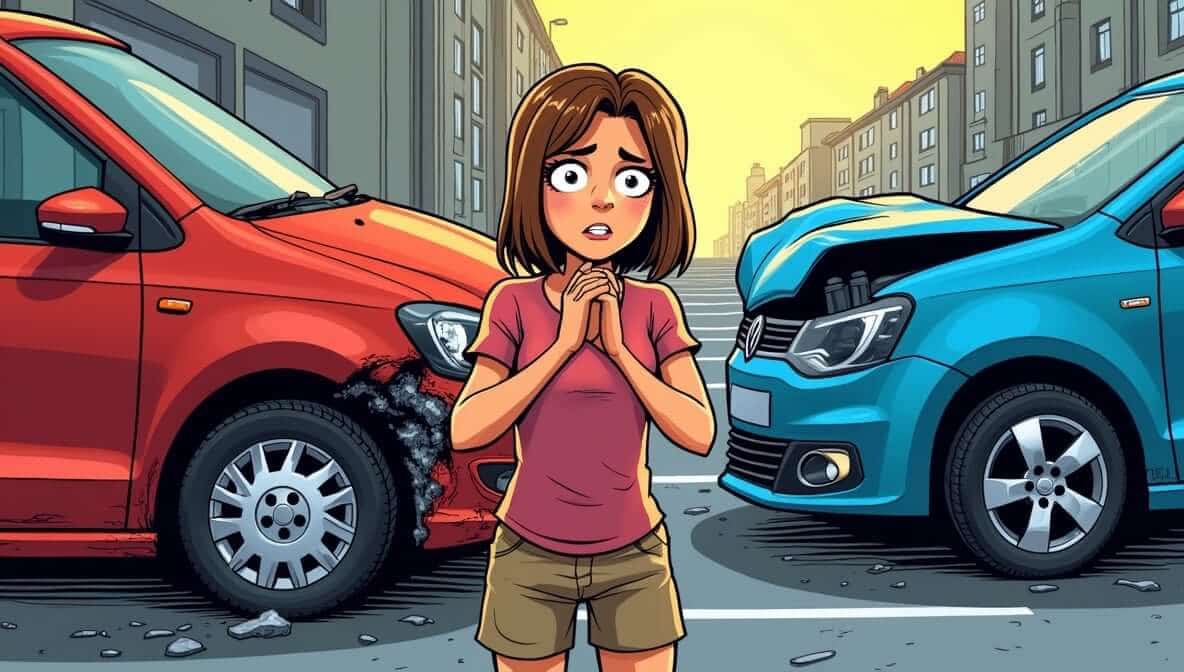
12. A car accident (even with no one hurt)
The bang. Metal on metal. Your body is thrown forward, the seatbelt cuts in. For a split second: silence. Then adrenaline explodes through your body like a bomb. Your heart is pounding, your hands are shaking, you can barely breathe. You get out, check your car, check the other car. Everyone's okay. Just some dents. You exchange information, you nod, you say the right things, but you're not really there. Your body is running on autopilot while your nervous system is still stuck in survival mode. Only when you get home do you notice how badly you're shaking. Your hands, your legs, your whole body is vibrating. You try to sit down and breathe deeply, but the shock is deep in your bones. Hours later, long after everything has been sorted out, your heart is still racing. You can't concentrate, can't relax. The scene plays on repeat: the moment just before, the bang, the panic afterward.
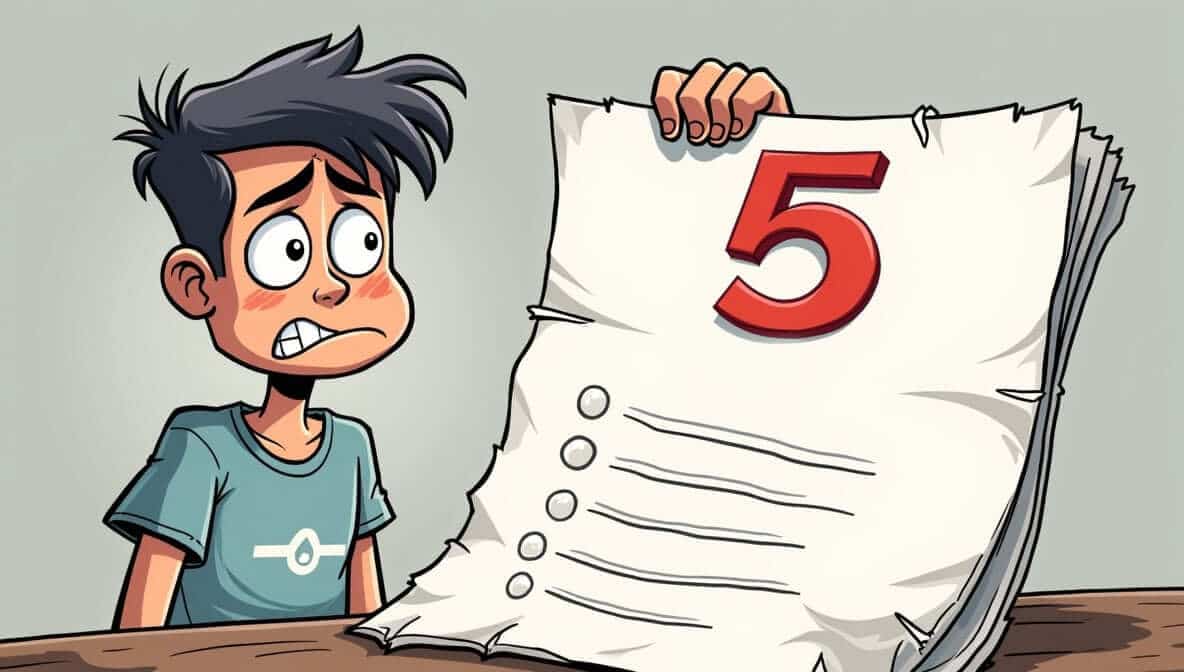
13. Failing an important exam
You see the grade. Failed. The word burns itself into your brain. All the nights you spent studying. The weekends you sacrificed. The flashcards, the summaries, the panicked cram sessions. For nothing. All for nothing. Shame creeps hot into your face. You pack up your things and avoid eye contact with everyone else. Outside, it all bursts out of you: anger, despair, that deep disappointment in yourself. What happens now? How do you explain this to your parents? Your boss? What happens with your degree, your training, your career? Fear of the future mixes with that nagging feeling: "I'm a failure. I can't do it. I'm not good enough." For days you carry that weight around. You can't look anyone in the eye; you feel small and defeated. And retaking the exam? Just the thought of it makes you freeze.
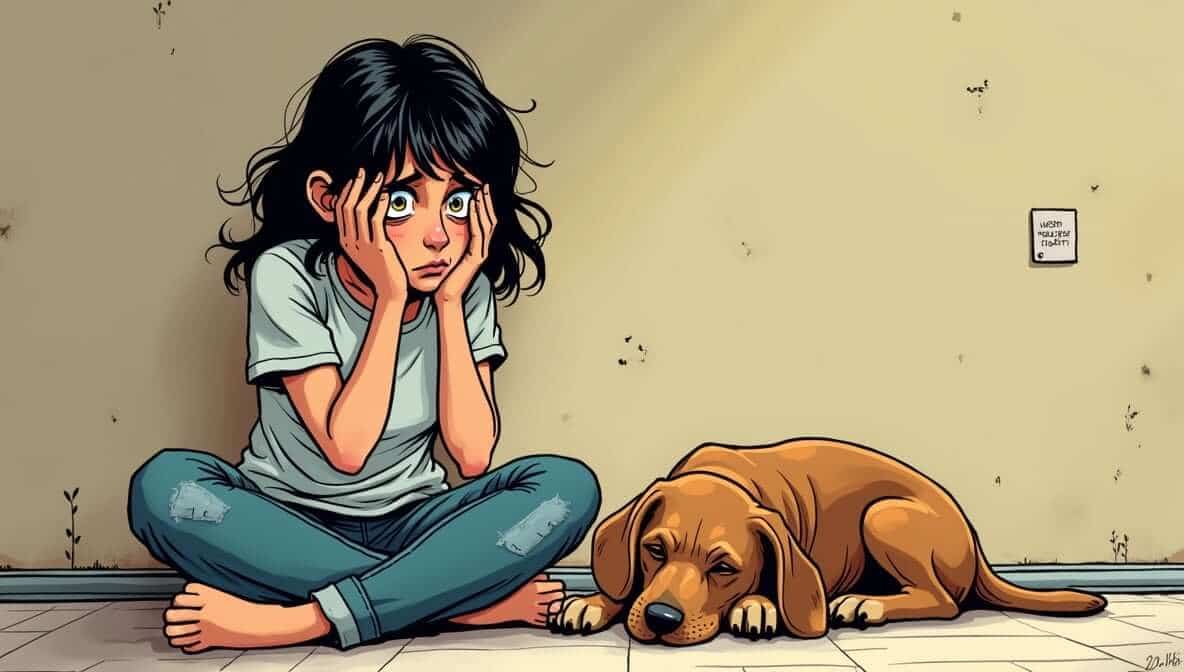
14. The death of a pet
The silence in your home is deafening. No more barking when you unlock the door. No more paws padding across the floor. No warm snout pressing into your hand. You trip over his bowl and grief hits you like a wave. You sink to the floor and cry. His bed is still there, his toys are lying around, his leash is hanging by the door. Everything reminds you that he's gone. That this emptiness is here to stay. You try to carry on, go to work, function, but the waves keep crashing over you. In the middle of the supermarket you see his treats and the tears come. In the evening on the couch, where he always lay next to you, the emptiness is physically palpable. At night you wake up and instinctively reach for him, but there's nothing there. Only this unbearable, paralyzing grief for your loyal friend who is no longer here.
15. A relationship ends (breakup, divorce)
"I don't love you anymore." Five words that wipe out your world. The person you wanted to grow old with is sitting across from you and has suddenly become a stranger. All the plans (the house, the kids, the trips you wanted to take) vanish in seconds. You try to understand, to save it, to fight. But it's over. The days afterward are like a slow-motion nightmare. You walk through the home you shared, and every object is a memory. The photo on the wall, the mug he gave you, the couch where you spent thousands of evenings together. You can't eat, can't sleep. Friends text and say the usual things, but their words don't reach you. The pain is so big it swallows everything else. Somehow you function, go to work, smile mechanically, but inside you're dead. And the question that keeps you up at night: "How am I supposed to go on without this person?"
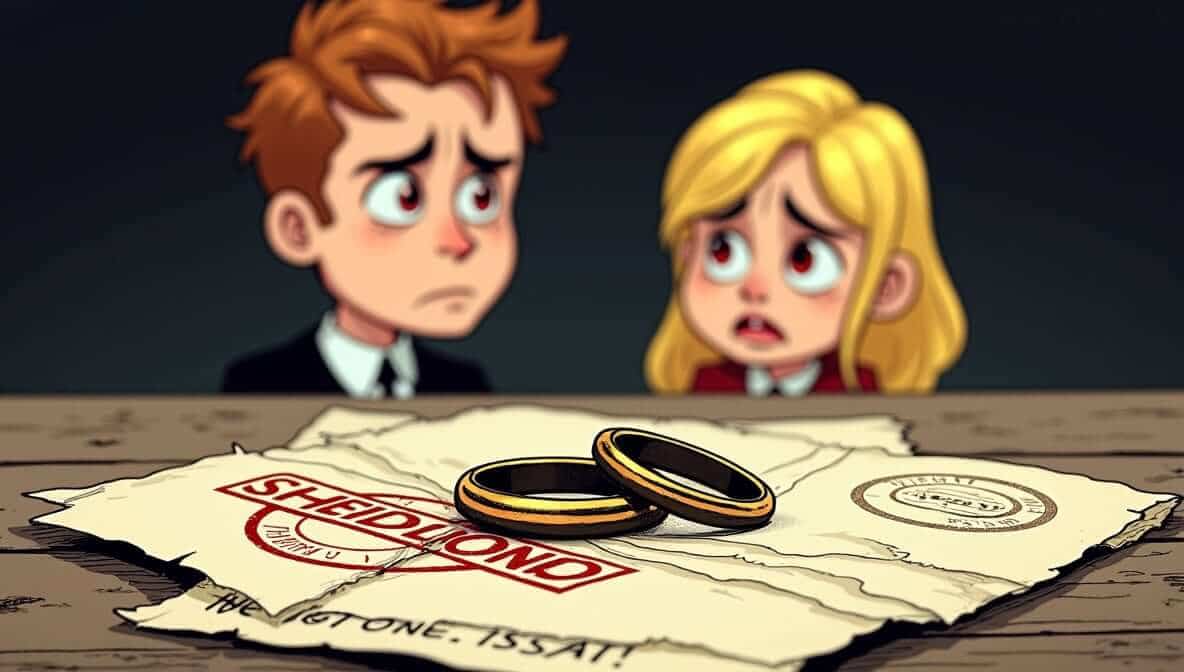
16. Social embarrassment (public humiliation)
You're standing in front of a group (a presentation, a meeting, a family party, whatever) and you say something. Anything. And the moment the words leave your mouth, you know: mistake. An embarrassing, stupid mistake. Silence. Then laughter. Maybe not meant unkindly, but it still hits hard. Your face gets hot, your hands get clammy, you want the floor to swallow you. You try to laugh along and play it off, but the shame burns in every cell of your body. Somehow you get through the situation and go home, but the scene comes with you. It loops in your head. Falling asleep, in the shower, while driving, you keep seeing their faces, hearing the laughter, feeling that burning shame. You avoid the people who were there. You scroll through your phone and imagine them telling everyone. The thoughts become obsessive: "Now everyone thinks I'm stupid. Nobody will take me seriously anymore." For days you carry this weight around, trapped in that one embarrassing second.

17. Road rage
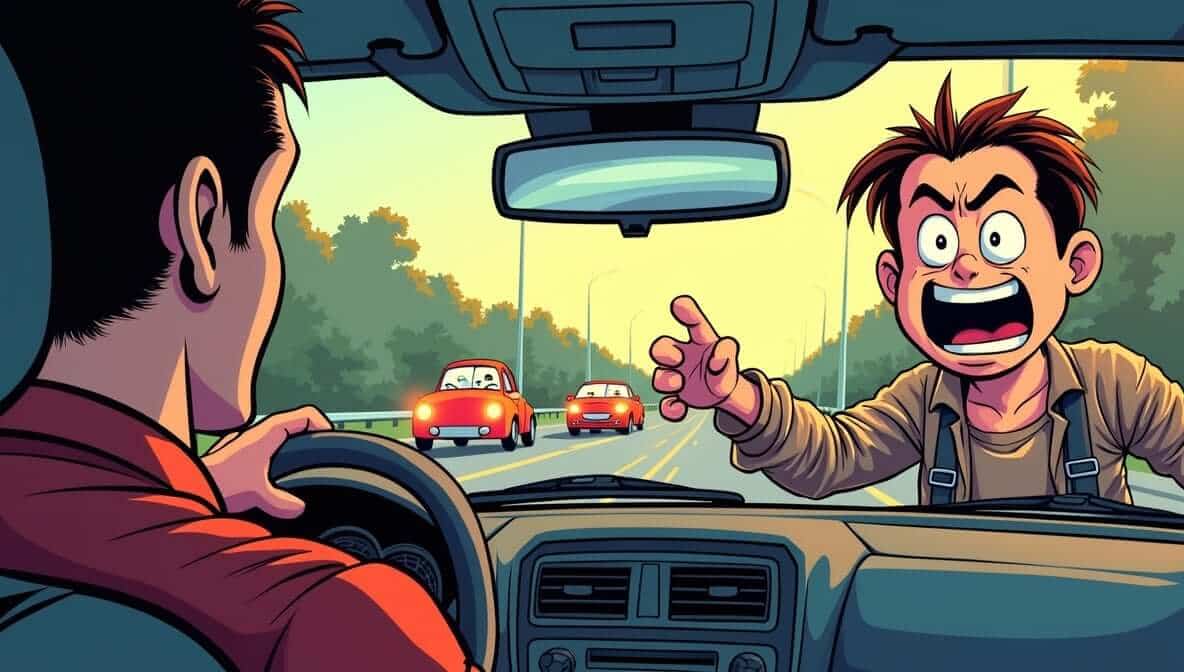
You're driving normally, following the rules, and then this idiot just cuts you off. Brakes hard right in front of you, no signal, no consideration. You have to slam on the brakes. Your heart explodes with rage. And then he honks. HONKS! As if it were your fault. Then the window comes down, the middle finger. Your anger boils over. You want to hit the gas, pass him, show him what you think of him. You grip the steering wheel so hard your knuckles turn white. You scream inside your car, swear words you'd never normally use. You'd love to get out, pound on his window, scream in his face. Your whole body is vibrating with aggression. Even long after he's gone, when you get home, the anger is still sitting in every muscle. You snap at your family over nothing. You can't switch off. The scene keeps replaying, and every time the anger rises all over again.
18. Friends let you down: loneliness
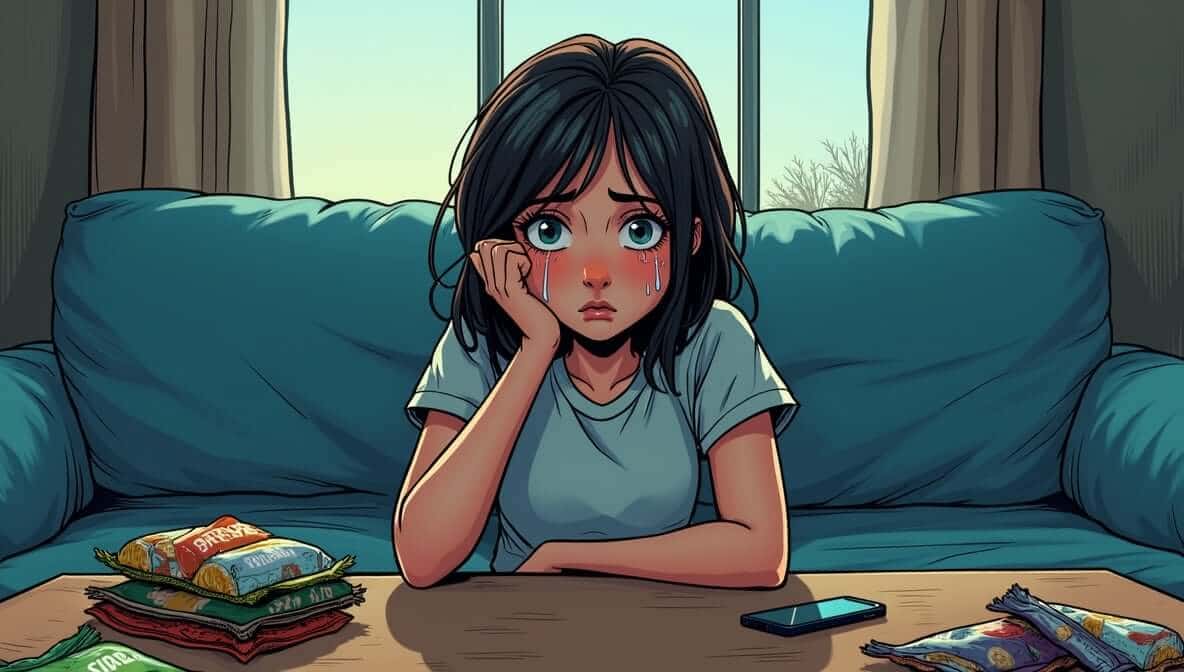
You text your best friend. You need someone to talk to. Now. It's important. No reply. You wait. An hour. Two. You see she was online. She read your message. But nothing. You text another friend. Again, no reply. Then you scroll through Instagram, and there they are. Together at a party. Laughing, cocktails, story after story. Without you. The loneliness hits you like a punch in the gut. You're sitting at home alone, you need them, and they don't have time for you. Or worse: no interest. The questions drill into your brain: "Do they even care about me? Was I ever really important to them? What's wrong with me?" You delete the message you were about to type. What's the point. You feel invisible, unimportant, unlovable. The loneliness grows bigger, heavier, more crushing. And you wonder whether you even have real friends anymore, or just people who show up when it suits them.
19. A panic attack for no apparent reason
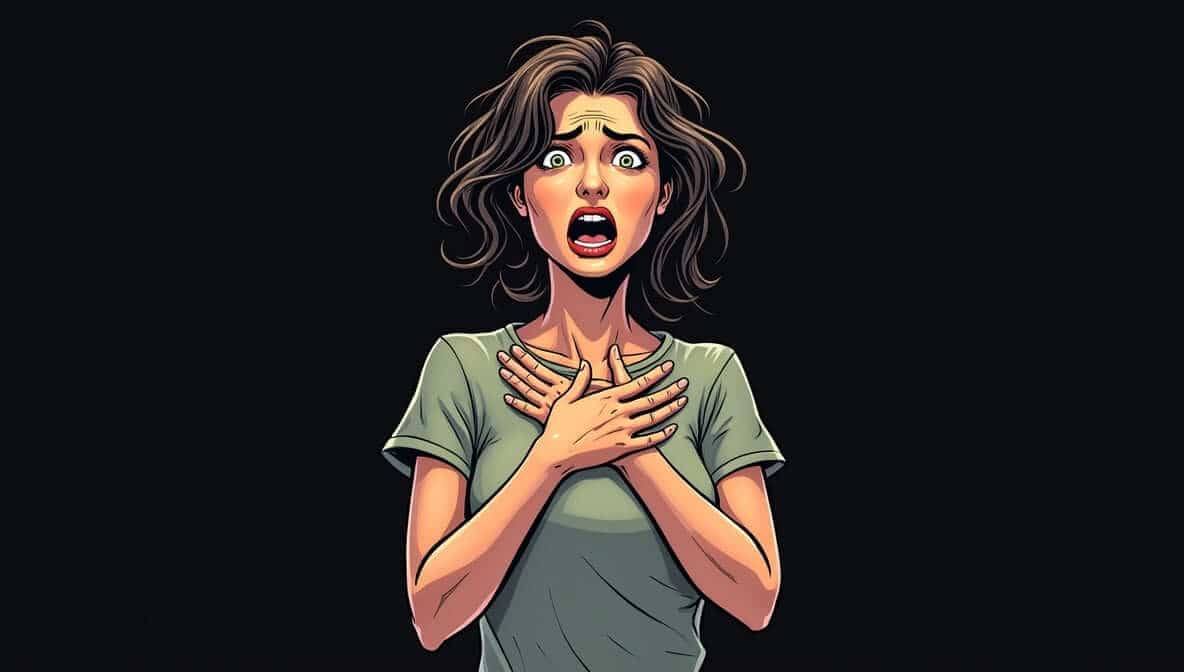
It just happens. Out of nowhere. You're at the supermarket, in the car, on the couch, a completely normal situation. And suddenly your heart is racing. As if it wanted to jump out of your chest. You can't get any air. Your lungs are working, but the air isn't getting through. Panic explodes inside you. "I'm dying. Right now. Right here. I'm having a heart attack." Your hands are tingling, the world is blurring, everything feels unreal. You cling to something and try to breathe, but your body won't obey. People look at you and ask if you're okay, but you can't answer. The fear is eating you alive. Minutes feel like hours. At some point it ebbs. Slowly. Your heart calms down, the air comes back. But the fear stays. The fear of the next attack. From now on you carry this panic with you everywhere: the fear of fear. You avoid places, situations, people. Your life gets smaller, narrower, more controlled.
20. Overwhelmed by too many tasks
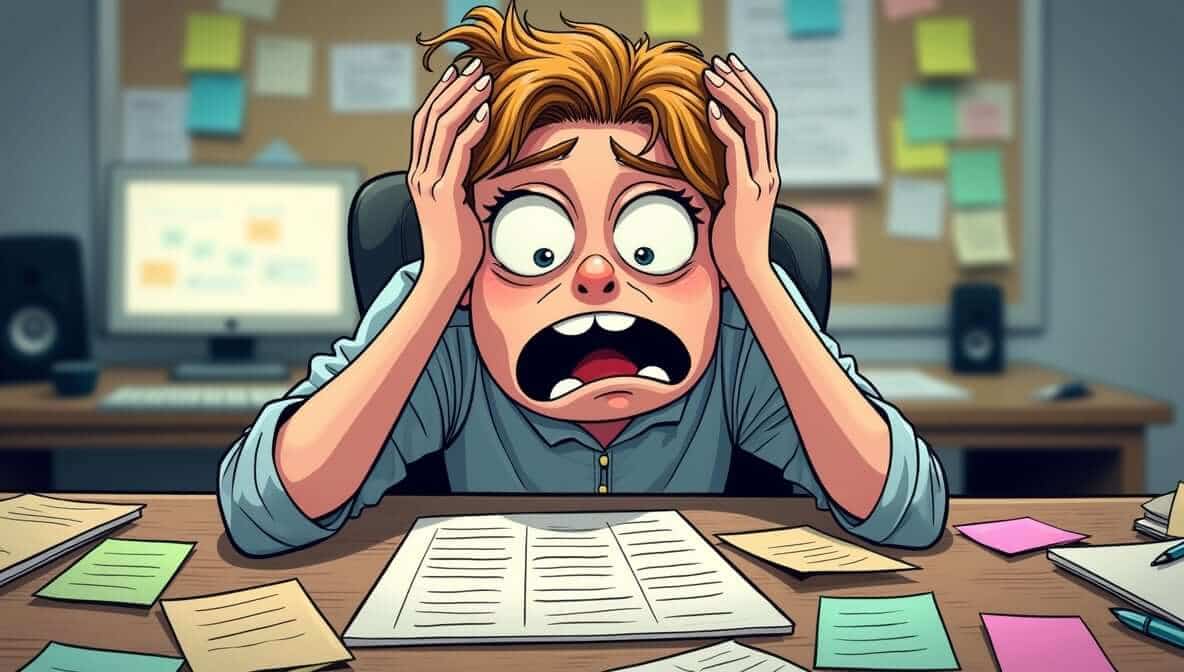
You're staring at your screen. The emails are piling up. 47 unread. Your boss wants the report by tonight. Your partner has called three times. Your taxes are overdue. Your mother is waiting for a call back. The project you should have started weeks ago is still sitting there untouched. Everything is urgent. Everything is important. Everything is screaming for your attention. And you? You can't move. Your brain is frozen. You open an email, read the first sentence, close it again. You open a document, stare at the blank page, close it. Your fingers hover over the keyboard, but nothing comes. The overwhelm presses down on your chest like a ton of bricks. You want to start, do anything, but you're paralyzed. The hours go by. You've gotten nothing done. Nothing at all. Then the guilt kicks in. "Why am I so useless? Why can't I just FUNCTION?" And with every day the list gets longer and the paralysis stronger.
21. Experiencing injustice (a false accusation, blame)
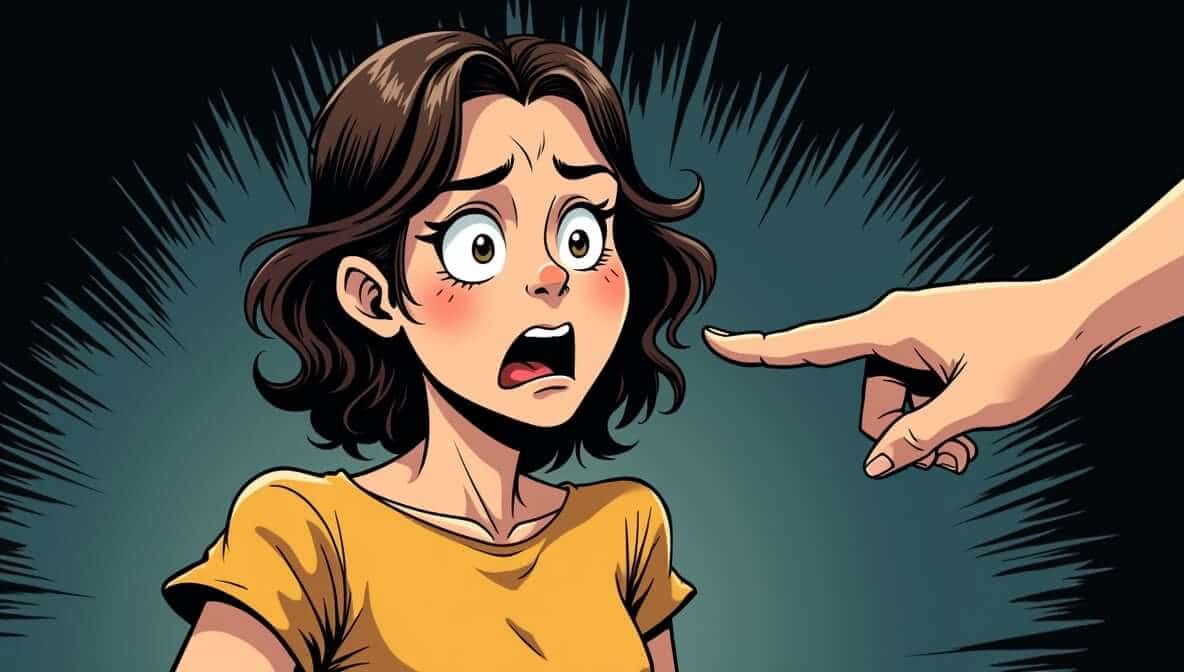
"It was you. Don't deny it." The accusation hits you like a hammer. Your boss, your partner, your friend, it doesn't matter who, is pointing the finger at you. But you didn't do it. It was NOT you. You try to explain, calmly and objectively, but nobody listens. "We know it was you." The injustice burns in every fiber of your body. You want to scream, slam your fist on the table, force them to listen. But your words fall on deaf ears. They've already decided. You're guilty. Period. The powerlessness is unbearable. You're trapped in a nightmare; you can't do anything, can't prove anything. Your despair grows with every second. "Why doesn't anyone believe me? What else do I have to say?" Later, alone, your thoughts keep circling: you replay the conversation again and again, searching for the perfect words you should have said. But it's too late. The label has stuck. And the helpless anger about it is eating you up.
22. Social rejection (not invited, left out)
You're scrolling through Instagram. And there it is. The group photo. The birthday party. The get-together. Everyone laughing into the camera, arms around each other, that typical "we had the best time" energy. Your friends. All of them. Except you. Nobody invited you. Nobody even asked whether you were free. You stare at the picture and scroll through the stories: more moments you were left out of. The pain of rejection cuts deeper than any knife. You wonder whether they deliberately decided not to invite you. Whether they talked about you. Whether they were glad you weren't there. Your thoughts spiral downward: "What's wrong with me? Am I boring? Annoying? Not cool enough?" You check your phone. No message. No explanation. Nothing. They just went on with their lives as if you didn't exist. You feel invisible, unimportant, unlovable. And the question that won't let go of you: "Do I even matter to anyone?"

23. A broken trust by a friend or colleague
You opened up. Really opened up. You told someone what was on your mind, what hurt you, what you've never told anyone else. This person listened, nodded and said: "This stays between us." You trusted them. And then you find out. Through an offhand remark, a strange look, a hint. Your secret is out. Twisted, taken out of context, maybe even used against you. Your stomach clenches. The trust is broken. In seconds. You feel naked, exposed, betrayed. "How could I be so stupid? How could I believe that..." The shame mixes with burning anger. You want to confront this person, but at the same time you just want to hide. Never again do you want to open up to anyone. Never again be that vulnerable. The walls you spent years taking down shoot back up overnight. And the question remains: "Can I even trust anyone anymore?"
24. Overwhelming grief (a death)
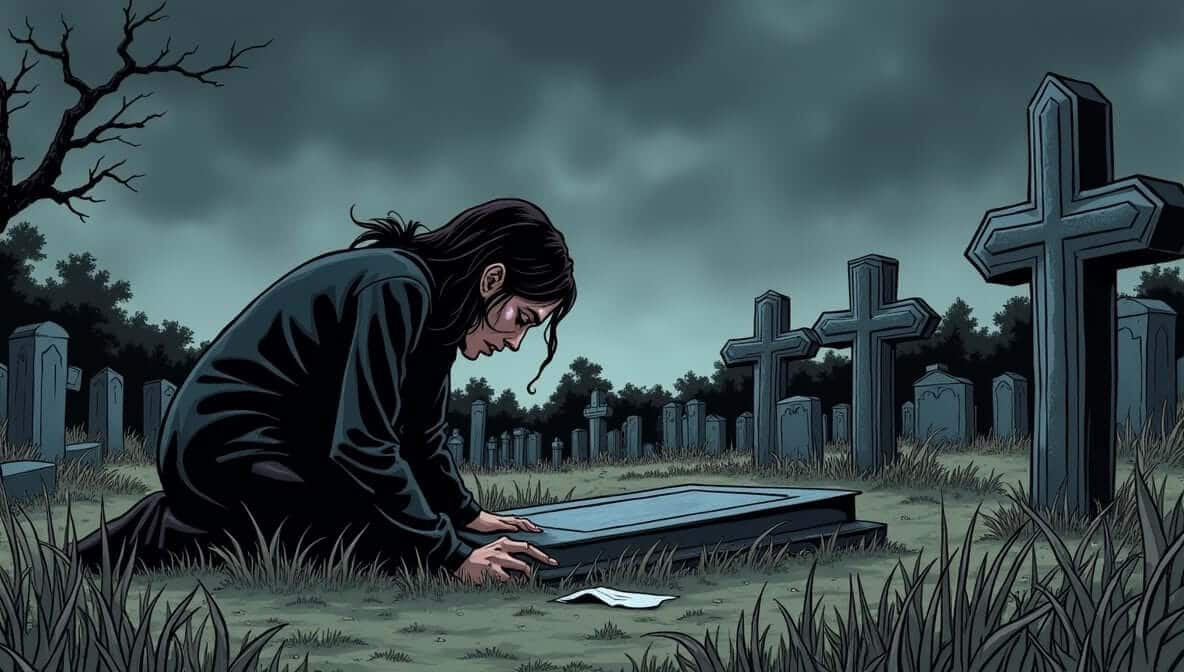
The call comes in the middle of the night. Or maybe in broad daylight. It doesn't matter. The words shatter you: "I'm so sorry..." The person you loved is gone. Forever. Your brain can't process it. It feels unreal, like a bad movie. But then comes the funeral. The black clothes. The faces full of grief. And suddenly it's real. Unbearably real. The first wave of grief hits you so hard you can barely stand. You try to function: you go to work, get things done, say the right words. But then, out of nowhere, the next wave comes. A song on the radio. A smell. A memory. And you break down. In the middle of the supermarket, in the car, while brushing your teeth. The grief overwhelms you again and again, uncontrollably. You cry until there are no tears left. And even then the pain doesn't stop. It sits heavy on your chest and makes breathing an effort. The world keeps turning, but you're frozen in this moment of loss.
25. Performance pressure before a big event
Tomorrow is the day. THE presentation. The job interview you've worked toward for months. The performance that could change everything. You should be sleeping, resting, but your body won't let you. Your heart is racing, your thoughts are tumbling over each other. You run through every scenario in your head: What if you blank out? What if you stutter? What if they notice you have no idea what you're doing? The fear of failing is eating you up from the inside. The next morning your hands shake as you hold your coffee. Your stomach is a knot. You try to concentrate, but your thoughts keep racing. "I can't do this. I'm going to fail. Everyone will see I'm not good enough." In the mirror you see the panic in your eyes. Your body is stiff, tense, ready to run. You want to cancel, run away, hide. But you can't. You have to get through it. With this paralyzing feeling that smothers every clear thought.
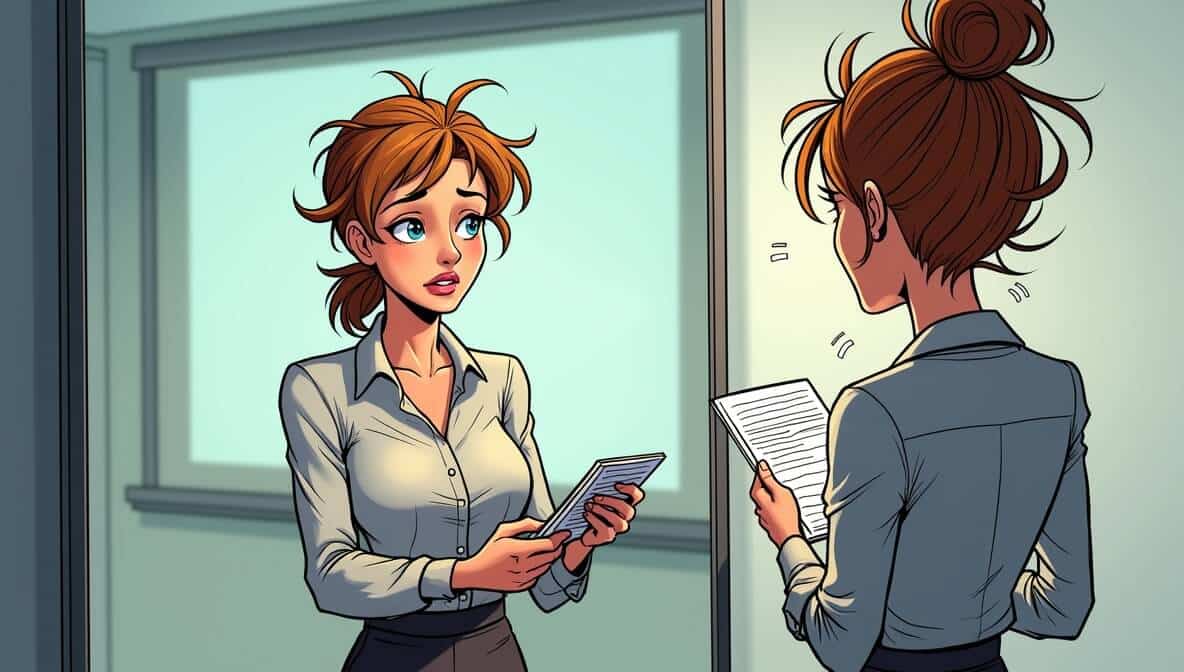
26. Chronic pain gets worse
You wake up and the pain is already there. Before you even open your eyes, you feel it. Your back, your head, your joints, wherever. It's your constant companion. For months. Maybe years. You try to get up, move, function, but every movement reminds you. It's there. Always. The pills barely help anymore. The doctors have tried everything. "You'll have to learn to live with it," they say. But how? How do you live with something that eats you up every single day? You're so tired. Tired of fighting. Of holding on. Of smiling when people ask "How are you?" while you're screaming inside. The emotional burden weighs more than the pain itself. The hopelessness. The exhaustion. The feeling that you'll never have a pain-free day again. You want to give up, but you can't. So you drag yourself through each day while the pain and the despair slowly eat you up.
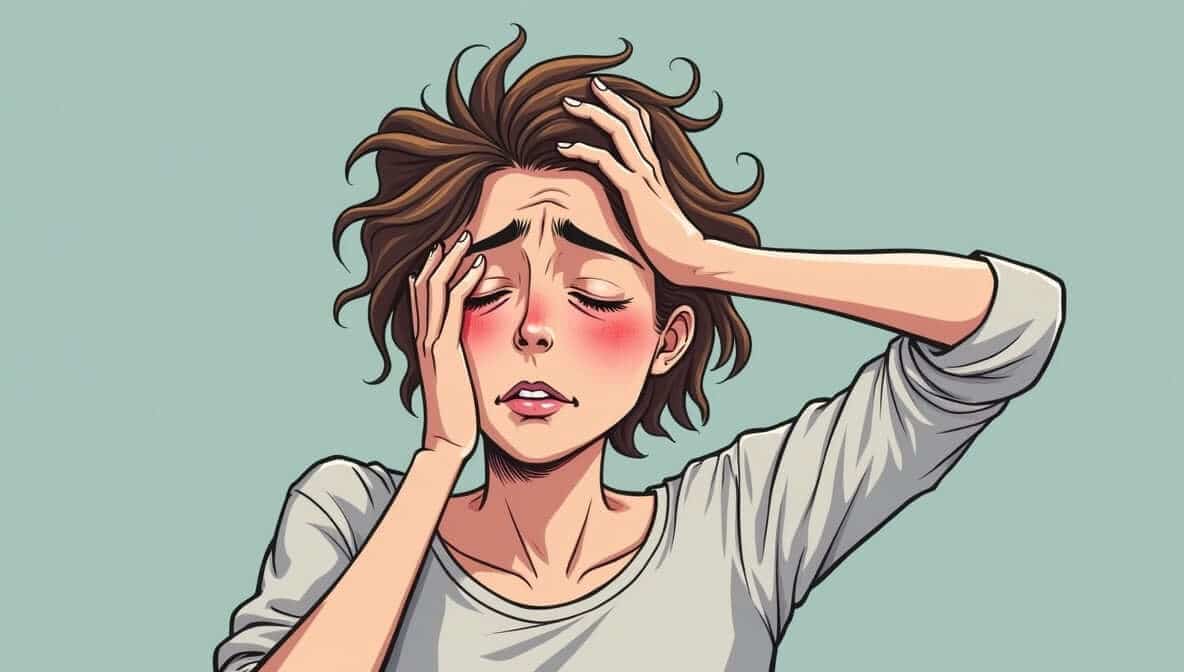
27. A social media pile-on (hate comments)
You post something. An opinion, a photo, a harmless thought. An hour later you check your phone, and all hell has broken loose. Comment after comment. Strangers tearing you apart. "You're so stupid." "Nobody cares about your opinion." "You look like crap." Worse still. Personal attacks, insults, sometimes threats. Your stomach clenches. You want to close the app and put the phone down, but you can't. You keep scrolling and read every single comment, as if you wanted to punish yourself. Every word lands. Even though you know they're strangers. Even though you know their opinion shouldn't matter. The words burn in. You try to work, eat, sleep, but the comments keep looping in your head. You compulsively check whether new ones have come in. Maybe you even reply and defend yourself, but it only makes everything worse. The shame, the anger, the helplessness all mix into a toxic cocktail that poisons you all day long.
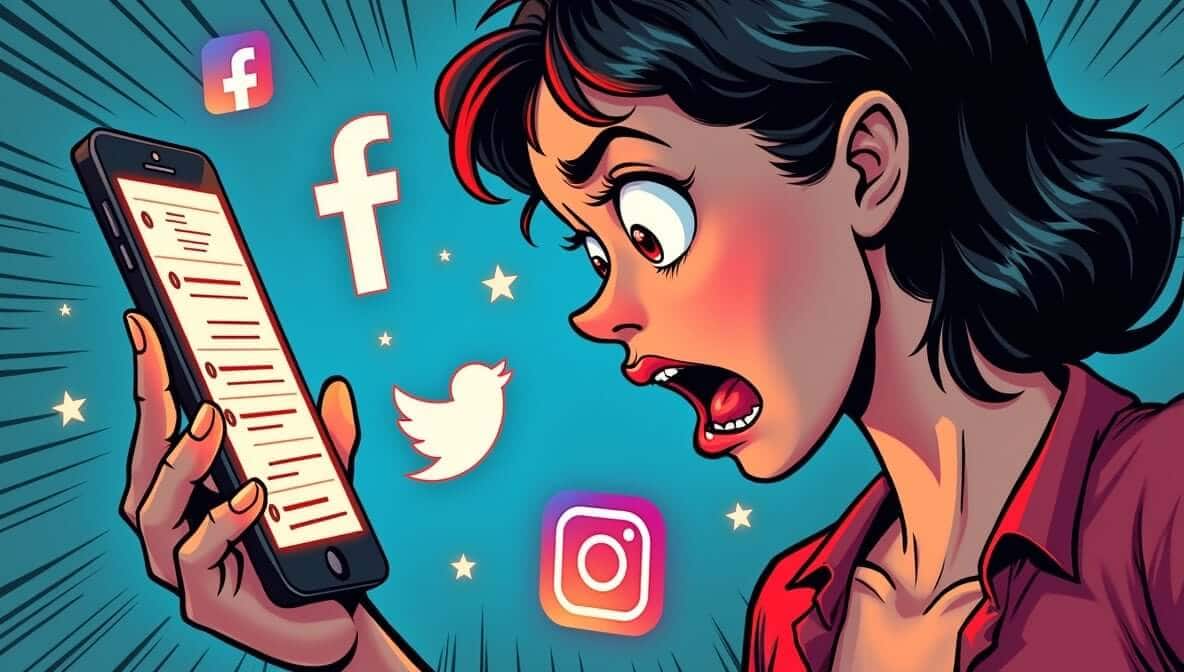
28. Sleeplessness from overthinking
3 a.m. You're staring at the ceiling. Your body is tired, dead tired, but your head? It's spinning in circles. Today's conversation. The email you should have written differently. The bill you still have to pay. Tomorrow's meeting. Your worries about your mother. The fight with your partner. All at once, in an endless loop. You try to close your eyes, breathe deeply, think of nothing, but your brain won't let you. The thoughts keep circling, unstoppable. You turn onto your other side. Check the clock. 3:47 a.m. Your alarm goes off in three hours. Panic rises. "I have to sleep. NOW. I have to function tomorrow." But that very panic makes it worse. The more desperately you try to fall asleep, the more awake you get. Your body is tense, your nervous system is in overdrive. At some point dawn breaks. Maybe you slept an hour. And the day starts before you're ready.
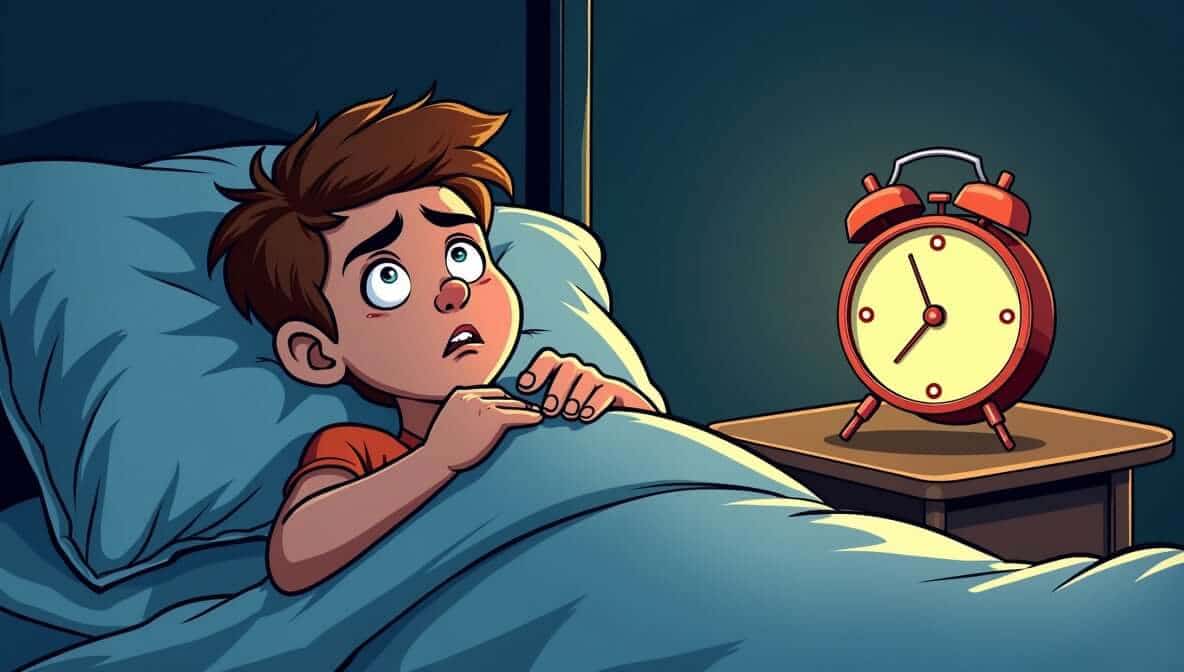
29. A memory of an old trauma gets triggered
You're walking through town, completely normal, and then: a smell. Or a song on the radio. Or someone says something in a certain tone of voice. And in a millisecond you're no longer here. You're THERE. In that moment years ago that feels like yesterday. Your body freezes. Your heart races. The fear floods you, and it doesn't feel like a memory; it feels like it's happening NOW. Rationally, you know you're safe. That it's over. But your body doesn't believe it. Your nervous system is sounding the alarm. You're shaking, you can't breathe, you just want to get away, away, away. People around you are talking, but you don't hear them. You're trapped in this moment from the past. Minutes pass, or hours, you don't know. Eventually you slowly come back. Dazed, exhausted, as if you'd just run a marathon. And then the shame comes: "Why is this still happening to me? Why am I not over it?" You feel broken, weak, trapped in a past that simply won't let you go.

30. A fight with your partner after a family gathering
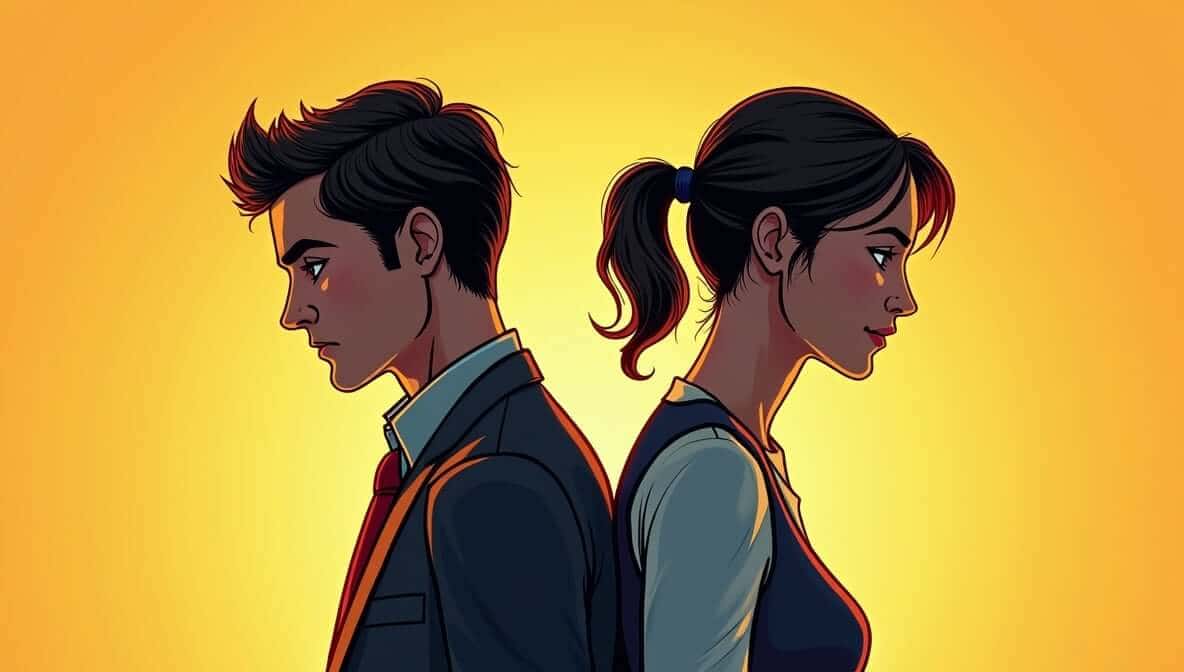
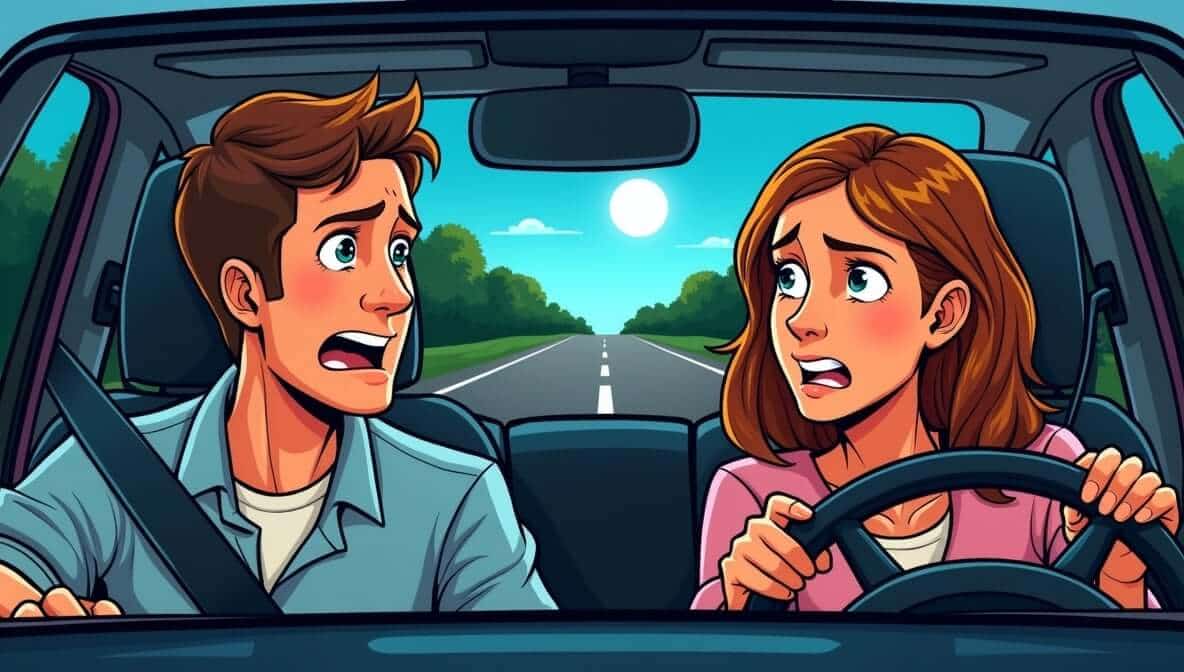
The family gathering is finally over. You get in the car, and nobody says a word. The silence is tense, charged. You can feel your partner seething. Or yourself. Then, a few minutes into the drive: "Why did you say that?" It erupts. "Why did you have to bring that up in front of everyone?" The tension that built up all evening explodes. Every little remark, every sideways glance from earlier now turns into an accusation. "You embarrassed me in front of your mother." "You spent the whole time talking to your brother." Voices get louder. Old issues creep in, things that have nothing to do with today but come up now anyway. You're yelling at each other in this car, stuck on the highway with nowhere to go. When you get home, the door slams. Nobody apologizes. You go to bed in silence, back to back, the anger lying between you like a wall. And the next day? The coldness stays. The fight poisons the whole weekend, maybe the whole week.
31. Existential fear (rent, debt, the future)
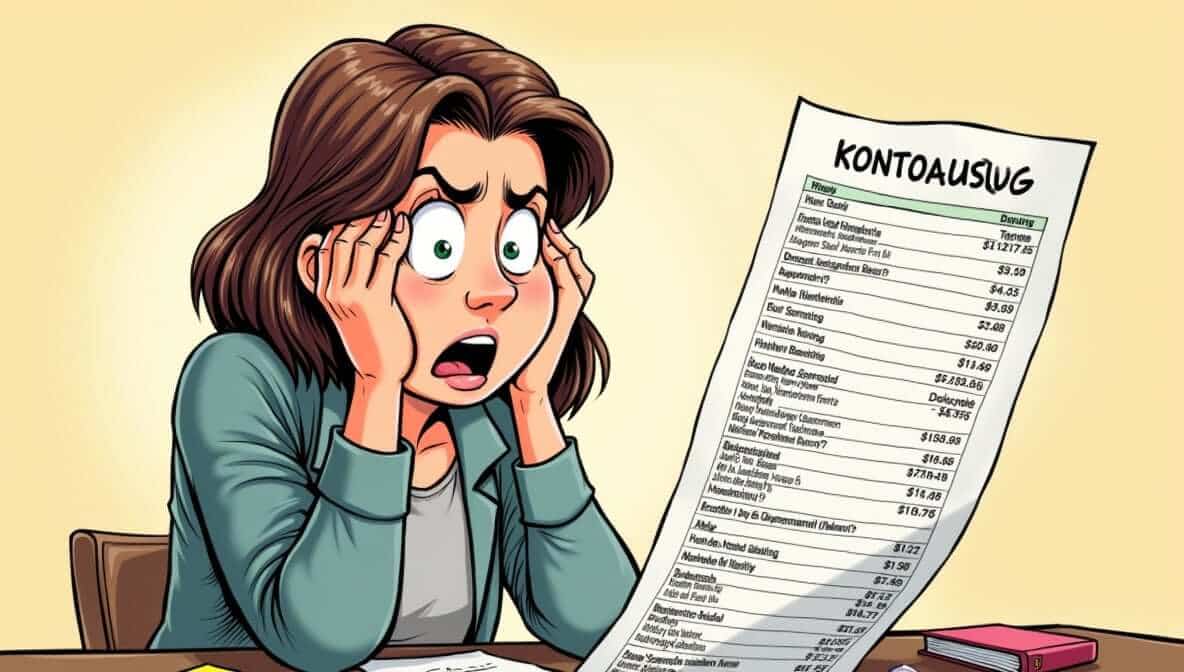
You're sitting at the kitchen table staring at the bills, the bank statements, the overdue notices. The numbers make no sense. There's never enough, no matter how you slice it. Rent is due, so is the loan payment, and the car needs repairs. And your paycheck? Long gone. "How is this supposed to work?" The question drills into your skull. You try to calculate, shift things around, set priorities, but your brain has stopped working. The fear paralyzes every clear thought. What if you lose your apartment? What if they freeze your account? What will happen to your kids, your family? The future looks like a black hole. You can't sleep, can't eat. This existential fear is eating you up from the inside. Every morning you wake up with this weight on your chest. Every message on your phone sends you into a panic. Is it another overdue notice? An eviction notice? You feel trapped, helpless, at the end of your rope. And no matter how hard you try to find a way out, the fear smothers every spark of hope.
32. Disappointment from a broken promise
"I promise. This time for real." You want to believe it. So badly. You've heard it so many times before: "I'll be on time." "I won't forget." "I'm there for you." And every time you waited. Hoped. Trusted. But it happens again. The person doesn't show up. Forgets. Isn't there when you need them. The disappointment hits you harder than the first time. Because you should have known. Because you swore to yourself: "Never again." But you hoped anyway. And now you're sitting there, alone again, disappointed again, hurt again. Anger mixes with sadness. Are you that unimportant? That easy to forget? You ask yourself: "Can I even trust anyone anymore? Or will I just keep getting let down?" With every broken promise, the wall around your heart gets a little higher. You believe less. Hope less. Open up less. And at some point you wonder whether you're still capable of trusting at all, or whether the disappointments have made you cautious forever.
33. Overwhelmed as a parent
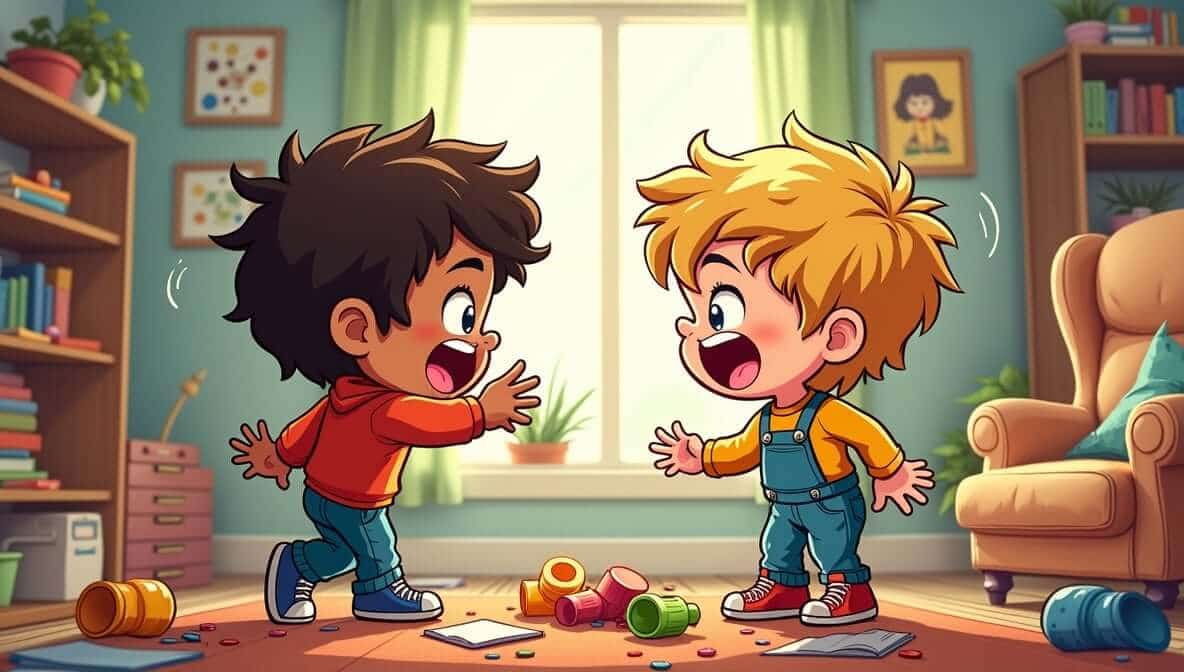
The kids are screaming. Both at once. One wants something to eat, the other got hurt, or they're fighting; you don't even know anymore. The smoke detector is beeping because dinner is burning on the stove. You run into the kitchen, yank the pot off the burner and burn your hand. Tears shoot into your eyes, and it's not the burn, it's everything. You haven't slept through the night in three nights. Your partner won't be home until late. The house is a battlefield of toys, dirty laundry and unfinished tasks. Your child is tugging at your arm: "Mom! Dad!" But you have nothing left to give. You're empty. Completely empty. You just sit down on the floor in the middle of the chaos. The kids keep screaming, but you can't anymore. The exhaustion is so deep, so all-encompassing, that you don't know how you'll get through the next moment. You love your kids more than anything, but right now you feel like you're drowning. And nobody is throwing you a life preserver.
34. Heartbreak
You check your phone. Again. No message. Nothing. The person you care about hasn't written. Or worse: you see them moving on. Posting stories, going out, laughing with other people. As if you'd never been part of their life. The pain sits deep in your chest, heavy and paralyzing. You lie awake at night scrolling through old chats and old photos, asking yourself: "What did I do wrong? Wasn't I enough?" During the day you try to function, but everything reminds you of this person. The café you went to. The song on the radio. The smell of their perfume on a stranger in the street. And every time, the wound tears open again. Your friends say: "It gets better with time." But time isn't moving. You're trapped in this pain that feels like it's tearing you apart. You want to let go and move on, but your heart won't let go.

35. Jealousy in a relationship
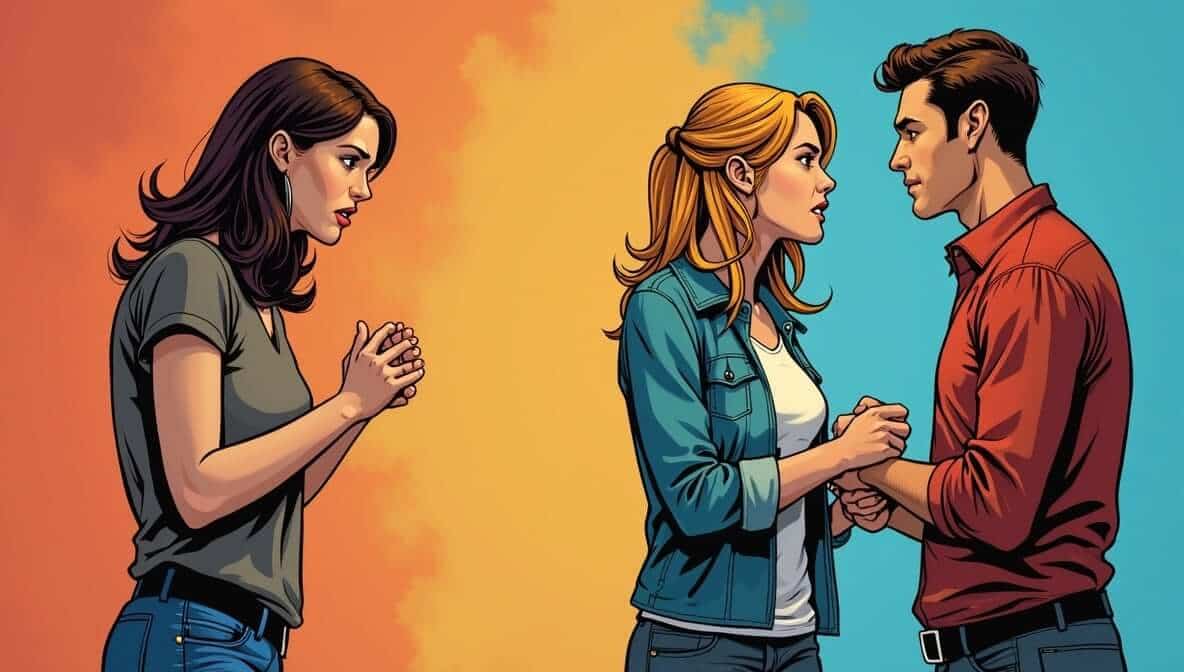
You watch your partner talking with this person. Laughing. A little too long. A little too close. Your stomach knots up. Rationally, you know it's harmless. But the jealousy still creeps up like poison. You try to play it cool, smile, act like it doesn't bother you. But your mind is racing: "Does he find her more attractive? Is she more interesting than me?" Later in the car you ask casually: "Who was that?" Your voice sounds tense, even though you don't want it to. Your partner rolls their eyes: "Not this again." And suddenly you're fighting about nothing and everything. The jealousy eats you up, even though you know it's unfounded. It makes you suspicious, controlling, someone you don't want to be.
36. Unwanted pregnancy / abortion
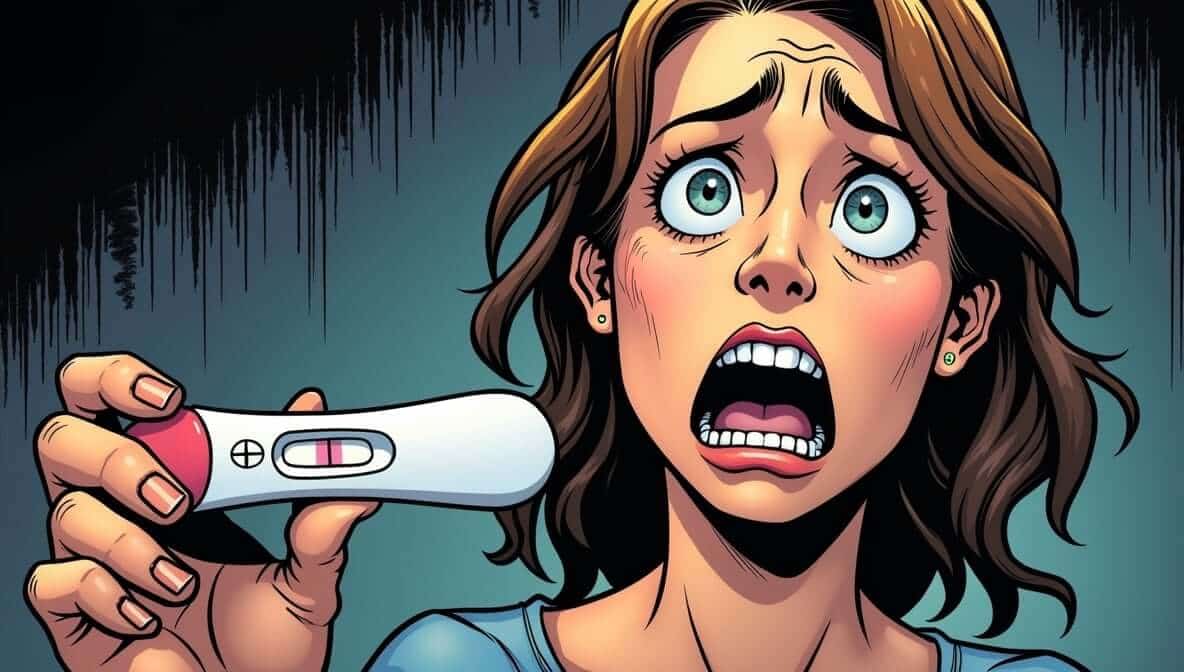
Two lines. Your heart stops. This can't be happening. Not now. Not like this. Panic floods you instantly. How do you tell him? What if he leaves? What if he stays but doesn't want it? What do YOU want? You can't think, can't breathe. The decisions in front of you feel impossible. Whatever you do, it's going to hurt. The fear, the shame and the overwhelm squeeze the air out of you. At night you lie awake staring at the ceiling, feeling more alone than ever. Nobody can make this decision for you. And whatever you decide, the emotional weight will stay with you for a long time.
37. Your own child goes off the rails
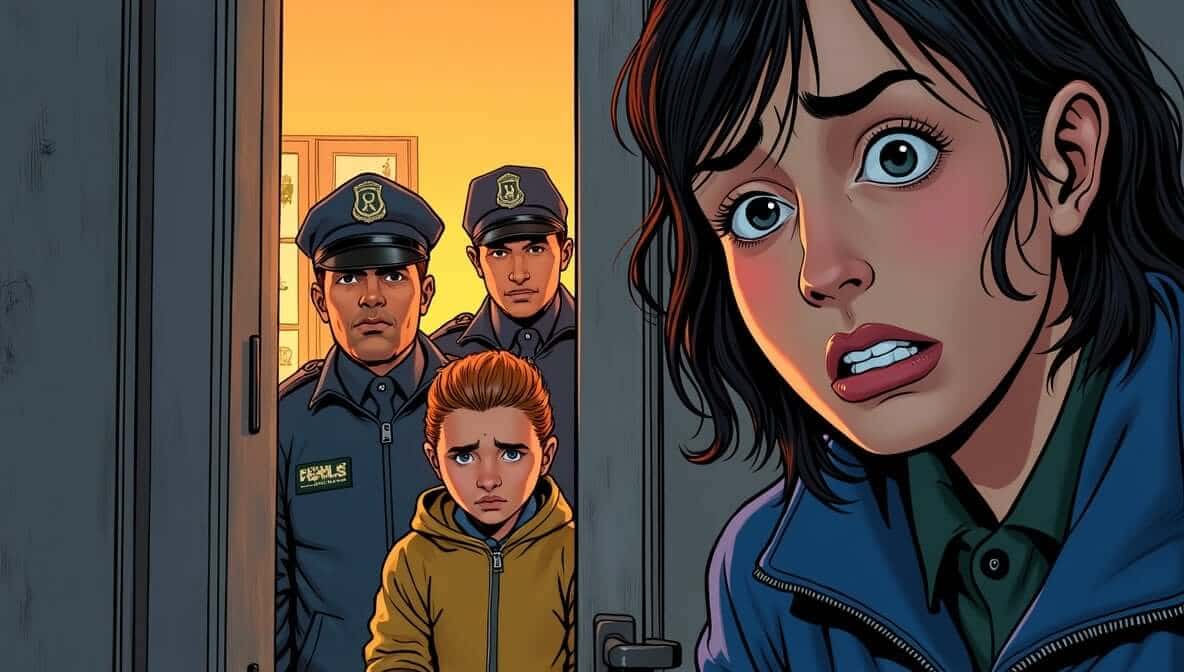
The police are at your door. Your child got caught: drugs, theft, violence. You stare at them and think: "This can't be. Not MY child." But it's a fact. All the parenting, all the love, all the effort, and it happened anyway. The shame burns. What did the neighbors see? What are the other parents thinking? But worse still: the fear. What will become of your child? Did you fail? Could you have prevented it? The guilt eats you alive while you helplessly watch your child head down a path you can't stop.
38. Midlife crisis
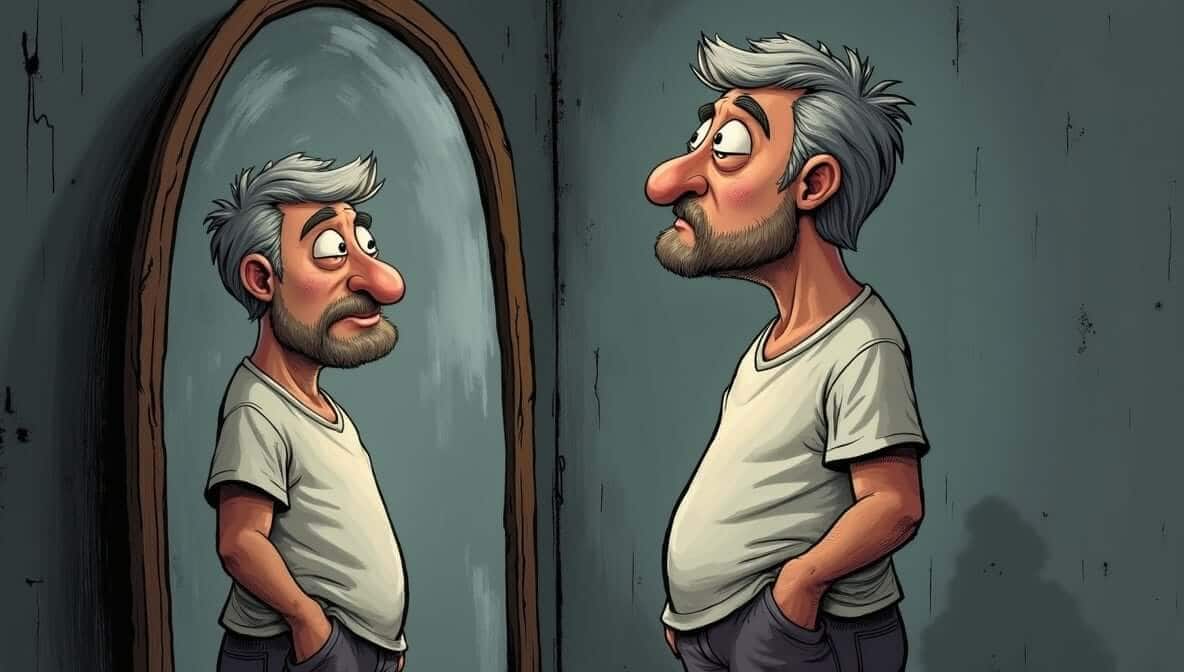
You wake up and ask yourself: "Is this it?" The job you've been doing for 20 years. The marriage that has turned into routine. The dreams you lost somewhere along the way. You look in the mirror and see gray hair, wrinkles, a body that's no longer the one you knew. Half your life is over, and what have you achieved? Panic rises. "I haven't experienced anything. Haven't risked anything. Haven't LIVED." You see younger colleagues just starting out, full of energy and possibilities. And you? You feel trapped in a life you built yourself that suddenly feels like a prison. Time is racing, and you can't turn it back. The urge to throw it all away, start over, break out becomes overwhelming. But the fear of change paralyzes you just as much.
You're not alone with these feelings
You've now seen a lot of situations in which your nervous system can explode. Maybe you recognized yourself in some of them. Maybe even in many. And maybe just reading about these moments set something off in you, because you know exactly how it feels.
These feelings are real. The panic, the anger, the overwhelm, the pain: they're not imagined, not exaggerated, not "too sensitive."
Most of us never learned what to do when we're in the middle of a moment like that. We just wait until it eventually gets better on its own. Or we try to "take a deep breath" or "pull ourselves together," methods that often don't work once your amygdala has already grabbed the wheel.
And so we stay stuck. For hours. For days. Sometimes for weeks, in states that poison our day, our relationships and our lives.
Until that one moment...
One day my partner came to me completely distraught. She had just had a fight with her ex about the kids, and she asked me in desperation: "Isn't there some frequency that can pull me out of this? I don't want to be stuck in this state all day!"
When I had to tell her, "No, I don't have anything for that," it stuck with me.
How many people out there are stuck in exactly this moment? How many relationships get damaged and how many days get ruined because we simply never learned how to regulate our nervous system effectively?
So I sat down. Dug through studies. Trauma therapy. EMDR. Emergency psychology. And then I developed something that actually works, in real life when you're in the middle of a crisis and not just in theory.
Your emotional emergency toolkit, always with you
What if you didn't have to stay stuck for hours after every one of these emotional outbursts?
What if a fight didn't ruin your whole day, and you could think clearly again within 10 minutes?
What if, after the panic attack, the bad news, the criticism from your boss, you could simply put on your headphones for a moment and reset your nervous system?
That's exactly what the Emotional SOS-Reset does. A neurological protocol that works directly at the level of the brain: bilateral stimulation, alpha waves, delta pulses. You don't have to "do" anything. No perfect breathing technique. No willpower. Your nervous system regulates itself down on its own.
You can also use it preventively: before a difficult conversation, before a stressful meeting, or when you notice your nervous system is already on edge. That way you go into situations that would otherwise knock you off track feeling more stable and clear from the start. And with regular use, you even train your brain toward lasting trigger resistance, until emotional outbursts become rarer and rarer.
"It's okay to be triggered and to feel bad. What's not okay is handing that feeling the controls until it poisons your whole day."
Marko C. Lorenz
None of these situations has to hold you captive. No emotional outburst has to define your day.
Yours, Marko C. Lorenz
Emotional SOS-Reset
€24,95
Leave the trigger state in 10 minutes instead of suffering for hours Your partner says that one sentence — and suddenly everything explodes inside you. Your heart pounds, anger surges, words fly that you can’t take back. Minutes later you… Mehr erfahren
FAQs
What are emotional triggers?
Emotional triggers are situations, words, smells or events that set off intense emotional reactions such as anger, fear, sadness or panic. These reactions are often disproportionately strong and can keep you stuck in a negative state for hours.
How long does an emotional trigger last?
Scientifically speaking, the purely neurological reaction to a trigger lasts only 90 seconds. Through thought spirals and emotional charge, however, we can stay stuck in that state for hours, days or even weeks.
How do I calm my nervous system after a fight?
To calm your nervous system after a fight, you can practice deep belly breathing, get moving physically (take a walk), activate the parasympathetic nervous system through bilateral stimulation, or use special frequencies based on alpha and delta waves.
What happens in the brain when I get emotionally triggered?
When you get triggered, the amygdala (your emotional alarm system) takes control and puts your body into fight-or-flight mode. Your rational mind (the prefrontal cortex) is taken "offline," which is why you can't think clearly in that moment.
Why can't I calm down after an emotional outburst?
After an emotional outburst, your sympathetic nervous system (stress mode) stays active. Without targeted regulation through the parasympathetic system (relaxation mode), you remain stuck in a state of heightened alert.
How can I avoid emotional overwhelm?
You can prevent emotional overwhelm through regular nervous system regulation. Use techniques like EMDR or alpha wave stimulation, or train your brain toward trigger resistance so that emotional outbursts become rarer and less intense.
What should I do during a panic attack?
During a panic attack, it's important to get your nervous system out of panic mode quickly. Bilateral stimulation (EMDR) and special frequencies can regulate the nervous system faster than breathing exercises alone, because they work directly at the neurological level.
Can emotional triggers be healed?
With regular training, emotional triggers can be weakened considerably. Through neuroplastic training, meaning retraining the connections between the amygdala and the prefrontal cortex, triggers become less intense over time and you react more calmly.
How long does it take for my nervous system to calm down?
With targeted neurological protocols such as bilateral stimulation, alpha waves and delta pulses, your nervous system can calm down significantly in as little as 10 minutes. Without intervention, it can take hours or even days.
What's the difference between stress and emotional triggers?
Stress is a general response to external demands. Emotional triggers are specific cues that, because of past experiences, provoke disproportionately strong emotional reactions and are often connected to old wounds or trauma.